


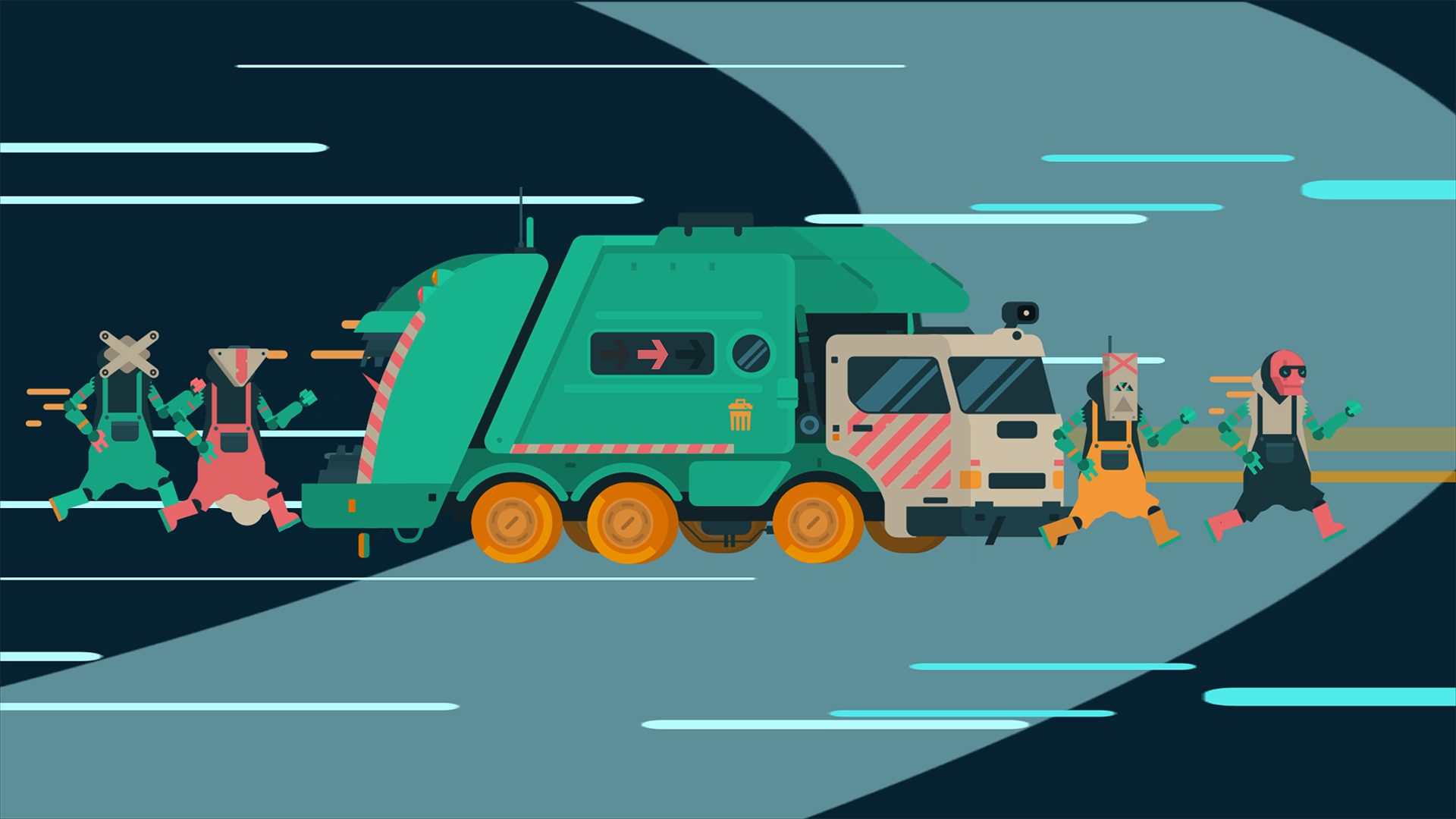
Hello everyone, this is Yasuyoshi Yamamura, the art director of Q-Games. Today, in honor of the upcoming release of the frenzied party brawler PixelJunk Scrappers Deluxe, we’d like to share some development insights.
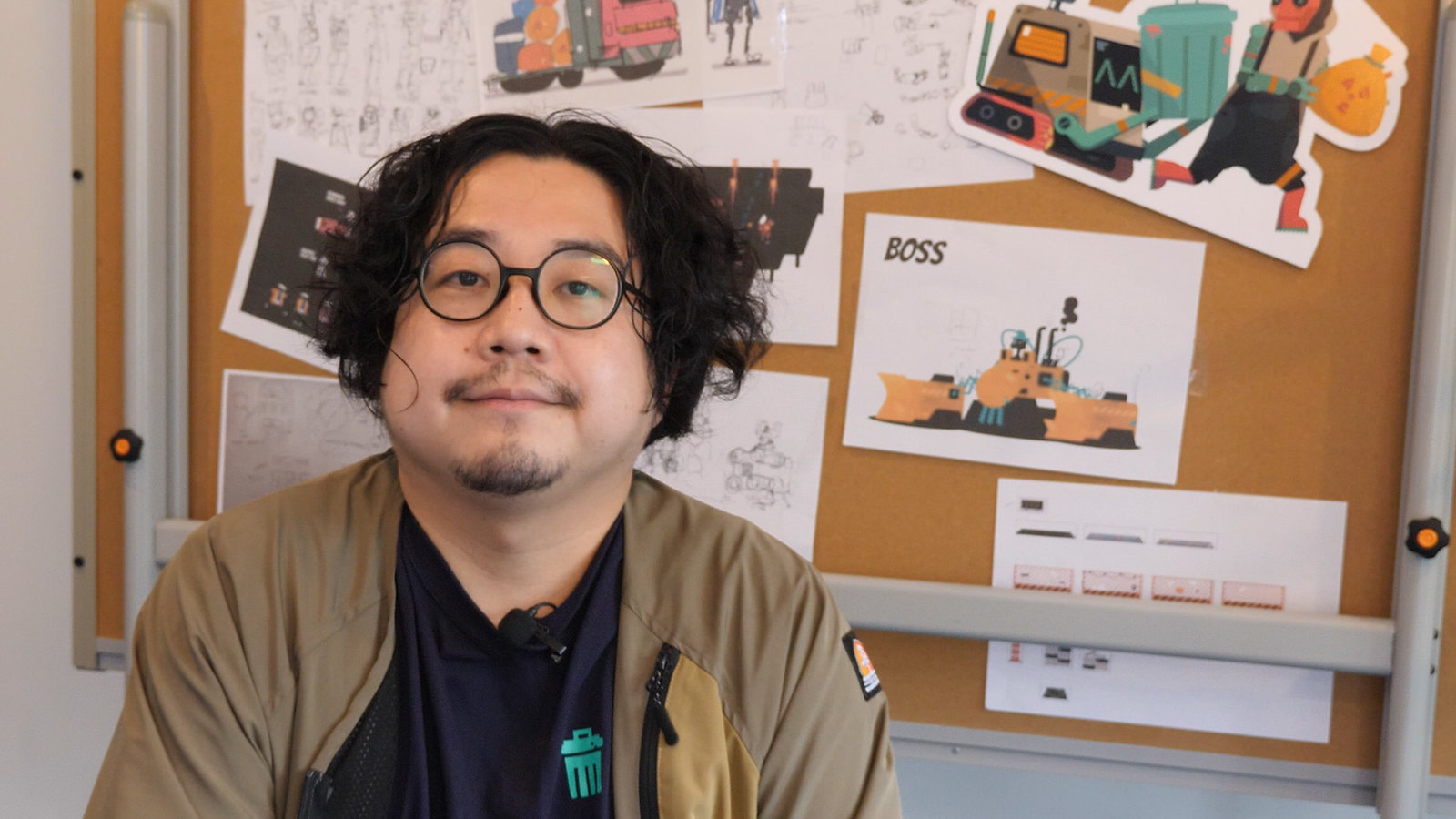
Yasuyoshi Yamamura, Q-Games Art Director
Since the first PixelJunk game launched on PS3 in 2007, PlayStation has been the spiritual home of the series. From PixelJunk Shooter to Monsters, Racers to Eden. PlayStation players have always supported our goal of exploring cool genre combinations and new mechanics. We look forward to returning later this year as PixelJunk Scrappers Deluxe is gearing up to come to PlayStation 4 and PlayStation 5.
A land of heightened fun
Set in a robot-ruled, trash-filled post-apocalyptic world, players control a team of robot scrappers as they scuffle the streets of Junktown to remove as much trash as possible. I like drawing robots as a personal hobby, so when one of the game directors had an idea for a game about garbage collecting robots, he was eager to start.
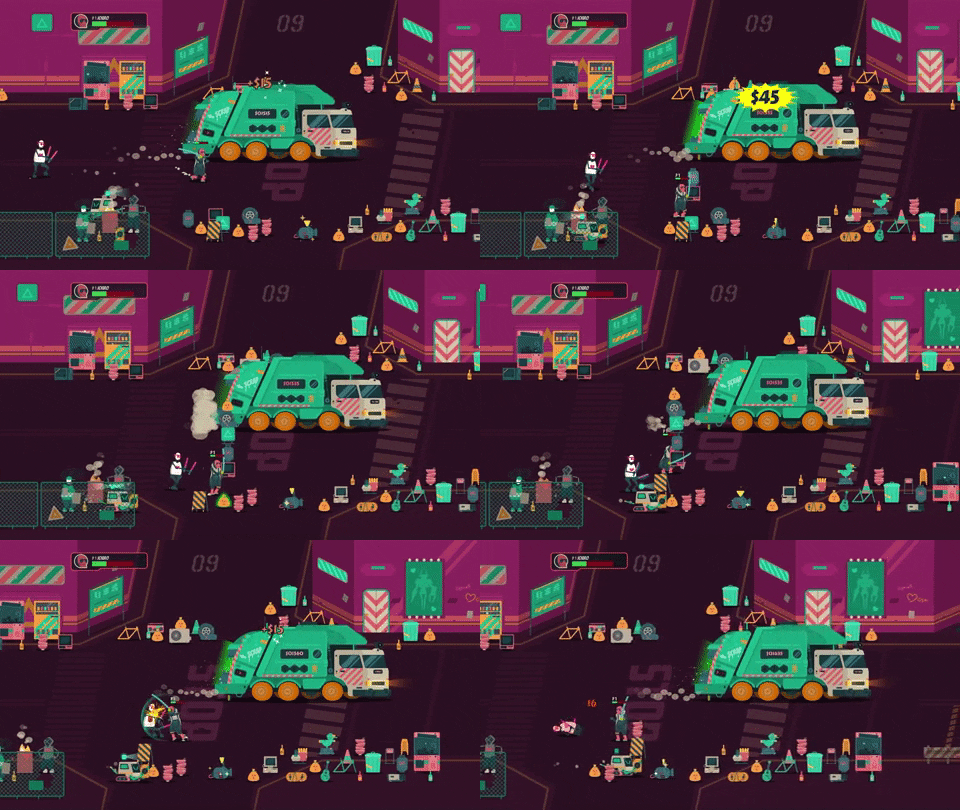
Clean up the streets of Junktown as a garbage collecting robot
Q-Games has been making games in Kyoto for 23 years and often takes subconscious inspiration from the world around us. But this time, we deliberately decided to bring the game to life using elements of Japanese culture that are very meaningful to us.
The stages are spread across 5 areas of Junktown, with the first 4 inspired by real locations in Japan. In terms of art direction, I really looked at Japan and decided to turn it upside down.
idol anime
Haruhabara is inspired by the fusion of the famous shopping district of Akihabara and the striking fashion district of Harajuku. We did a lot of research to pick out the recognizable and iconic aspects.
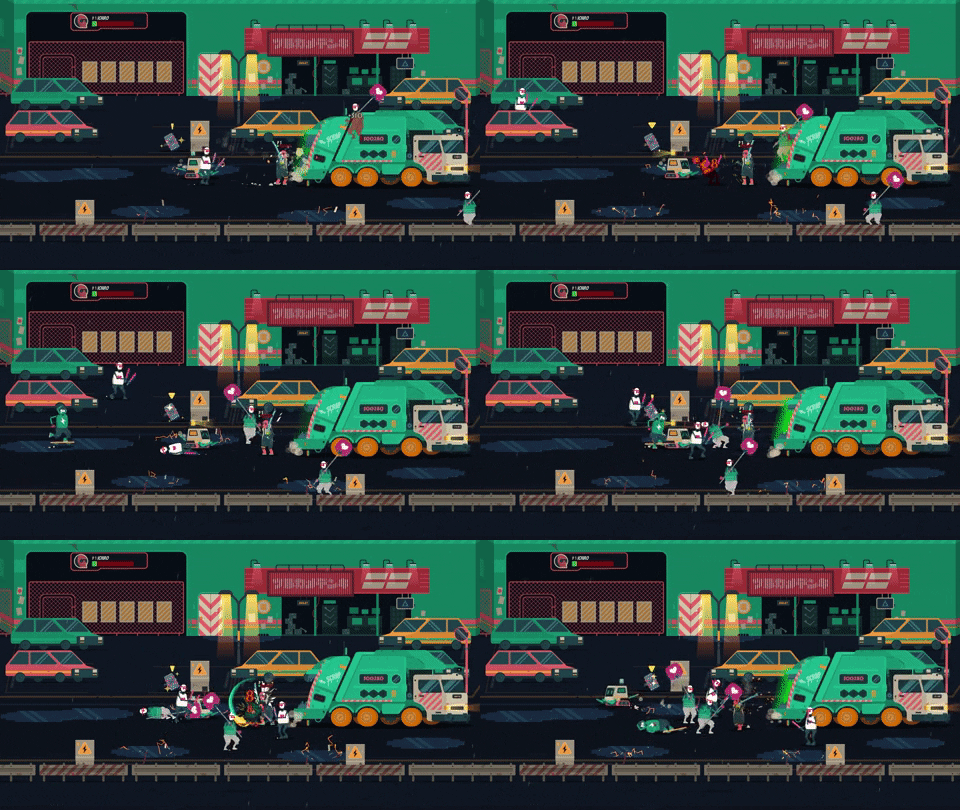
Haruhabara – Inspired by the “electric town” Akihabara and the fashion district Harajuku.
Akihabara is famous not only for its games and electronics stores, but also for its idol culture, so I wanted to create an enemy that fits that theme. I started sketching her three members who would become the enemy idol group Trinity Lovers, and their styles were based on her famous J-pop groups such as Perfume. I’ve always been a big fan of robot anime, especially old school anime where things merge into big robots, so I designed a boss sequence where the Trinity Lover idols can merge for the final showdown.

Trinity Lovers enemy designs, from concept to final
Of course, the Trinity Lovers are supported by loyal fans called Otabots who attack players with otagei. Audience choreographed routines of waving neon batons to musical performances are a popular part of Japanese idol culture. The final boss will be fought live during her concert, and players will have to learn routines to avoid incoming attacks.

homage to home
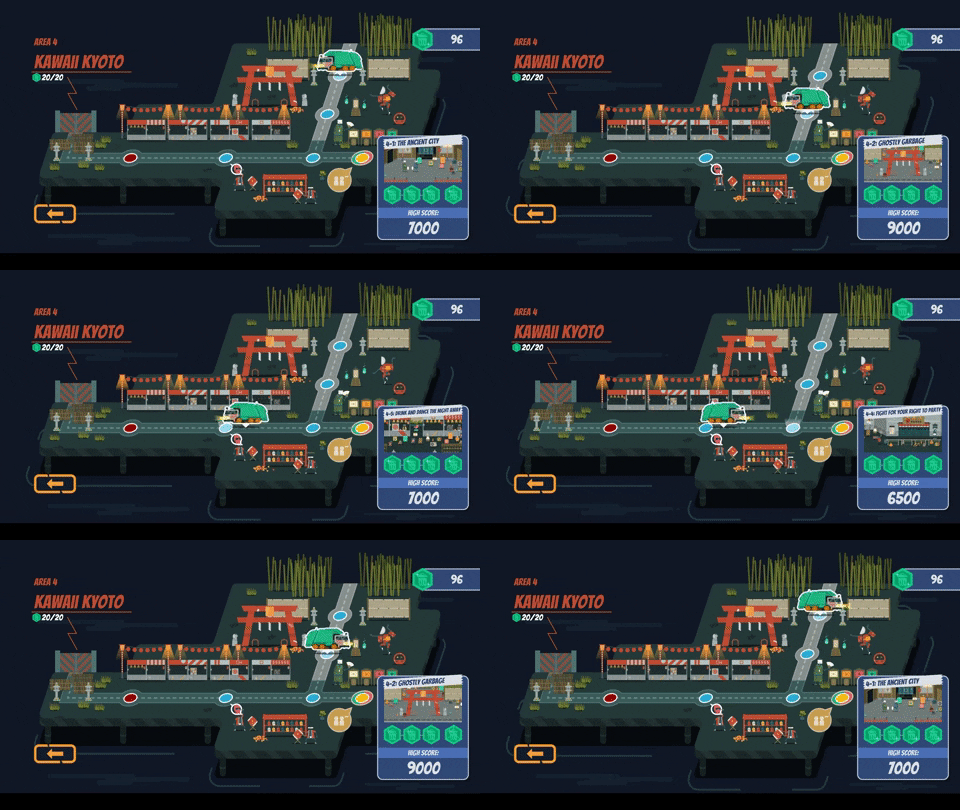
Our home town themed area was an early idea that we wanted to bring to life exactly. Pretty Kyoto, which makes up area 4, is based on Edo Japan, with giant torii gates and old shrines. It was a lot of fun figuring out how it would fit into our futuristic setting.
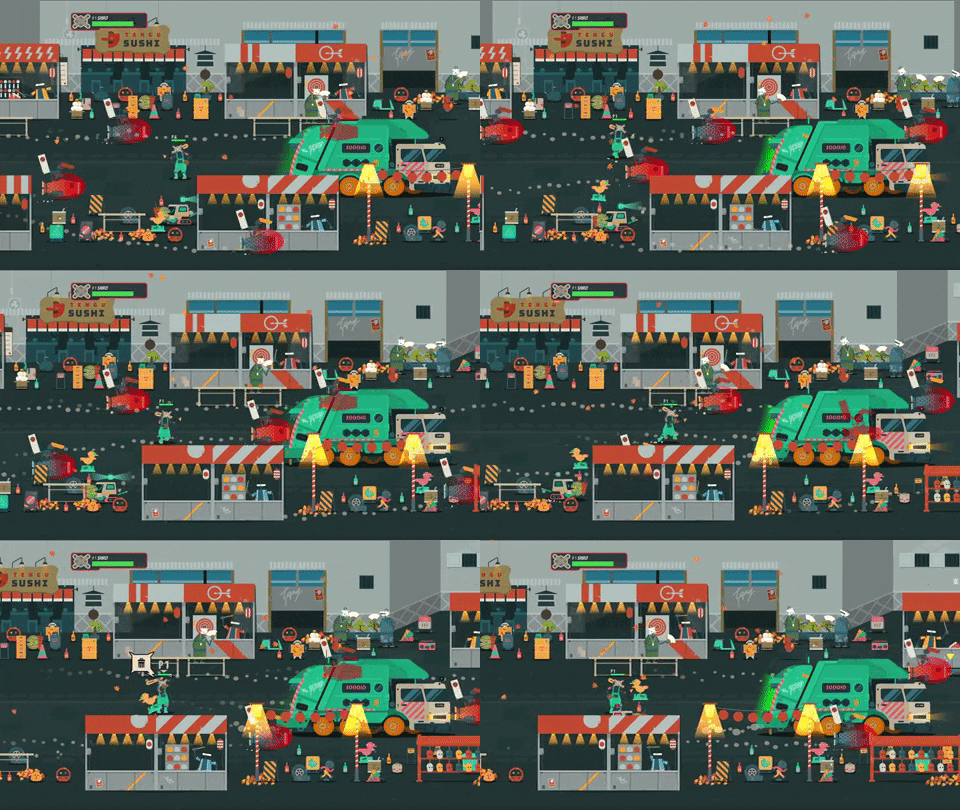
Kyoto is home to many famous festivals, including the Gion Festival, where the streets are lined with food stalls. Our studio overlooks the route of the main festival, and every year our company gathers to watch the parade, so we can incorporate the festival. The elements to PixelJunk Scrappers Deluxe were really cool. Our team attended many events for level design inspiration and ate a lot of delicious food. Of course, it was purely for research.
refreshing rider
In terms of character design, we took a lot of festive iconography and created a series of enemy robots based on popular activities and traditions. These include his 400-year-old Awa Odori dance in Tokushima Prefecture, Japan, which is used as an attack by Awa Doribot, and Tengubot, which is based on the spirit of the legendary yokai.

[Matsuri inspired enemy design]
One of my favorite enemy designs is a biker punk boss tribe running around on a carp streamer, a traditional Japanese flag that flutters like a carp when hung in the wind. There’s something appealing about menacing enemies riding inflatable fish and blowing up stages… using a giant festival fan to keep players in check, followed by a bunch of workers wearing traditional short-sleeved happi coats. increase. coat.
The last thing I would like to share is my respect for Shishimai, a traditional Japanese lion dance. Initially, I started by drawing his sketches of the concept below as background elements for one of his realms, but as development progressed, I became quite attached to the design.

Traditional performing arts are a big part of Japanese culture, and just an hour from the Q-Games studio is the very famous shrine of Namba Yasaka, with a giant lion sculpture at its entrance. After some tweaks and design enhancements, the Lion Dance King boss is here! The lion dance traditionally symbolizes incoming luck and fortune, and defeating this vicious foe at the end of Area 4 will bring you a very large fortune.

LR – Boss of Lion Dance King, Namba Yasaka Shrine, Osaka
It’s just a small part of the vibrant world we’ve created and we can’t wait for you to experience it firsthand. Gather your crew of friends and hit the streets of Junktown to battle your way to the top when PixelJunk Scrappers Deluxe launches on PlayStation later this year.
