



The Nameless: Slay Dragon is another fine example of how some games don’t just only work well with modest visuals, they excel. This RPG from WhisperGames relies on text and static visuals to present its adventure, and what an adventure it is.
The game begins as such adventures often do; with you creating your character by selecting a class, background, and starting stats. These will determine the basics for how you’ll level up throughout the game, but they’re not terribly restrictive. Plenty of important decisions await as you decide how to acquire, upgrade, and utilize your character’s abilities. This is important, because as your party grows, you may find you want to branch off onto different paths. Via the Trait Point and Spark systems, you can do so without having wasted your previous upgrade decisions. A lot of games choose to let you reset your skill tree progression, but The Nameless: Slay Dragon would rather you simply augment what you’ve learned so far. No wasted time.
That approach carries over to the game’s presentation. Although you’re given top-down side views of the game’s world, you don’t walk your way through it. Movement is node-based, with small indicators showing the paths you can take. Sometimes, there’s only one way to go. Other times, you can decide which location to visit (with advice provided by your party characters and NPCs). And although you can make wrong choices, progression is mostly about how you want to advance as opposed to how the developers want you to.

The main benefit here is that you’re not grinding your way through random battles, trying to level up. If an enemy is too tough for you, you’re typically warned to avoid it; and you usually can. I tested this early in the game and attempted to defeat an enemy my companion warned me to avoid. I got my butt handed to me, but was pitied and allowed to live (albeit with a lighter inventory). When it came time to take a job in the mine, I was ready to heed the warning to stick to the left. You can keep your rumors of treasure in the right tunnels, thank you kindly.
Impressively, these early jobs and battles against tough enemies never felt “grindy.” They felt like I was paying my dues and learning how to navigate the settings and citizenry of this world. And as my skills and cash flow grew, so did my comfort level. The early hours may seem pretty tough, but pushing through them really reveals how deep and captivating The Nameless: Slay Dragon is.
The battles I’ve been mentioning are turn-based, and they don’t stray too far from the typical formula. Attack, use a skill, use an item, defend; you know the routine. A success rate indicator before you fight helps you figure out what to do; useful for winning battles and making better decisions in your party and equipment setup.
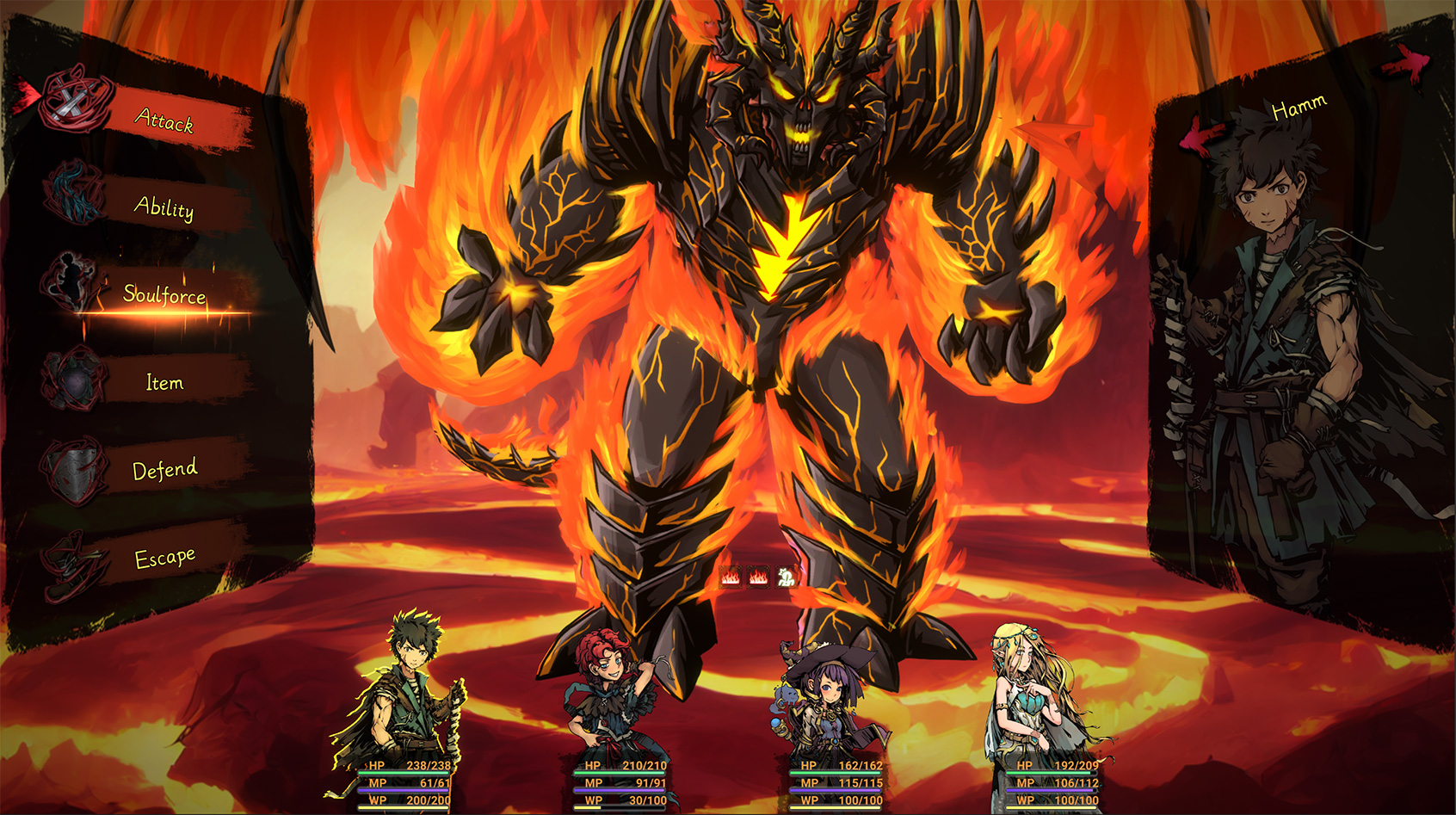
Yes, it’s possible to brute-force your way through many fights, but the game is much more fun and rewarding when you’ve got your party optimized for your approach, and you gracefully eliminate enemies with the right flow of skills and buffs. Enemies more powerful than you can be taken down if you make the right decisions, and doing so is much more rewarding than running or negotiating.
What really makes the game work, though, is the story. By avoiding the typical need for grinding and backtracking, it pushes forward at a brisk pace we rarely get from videogames anymore. If something urgent needs to be done, you don’t wander around accepting odd jobs for a few hours, you do it. You can choose to repeat battles or farm for items at some nodes (an energy meter will let you know when it’s time to quit), but the ability to warp to any unlocked node allays the feeling that you’re wasting time.
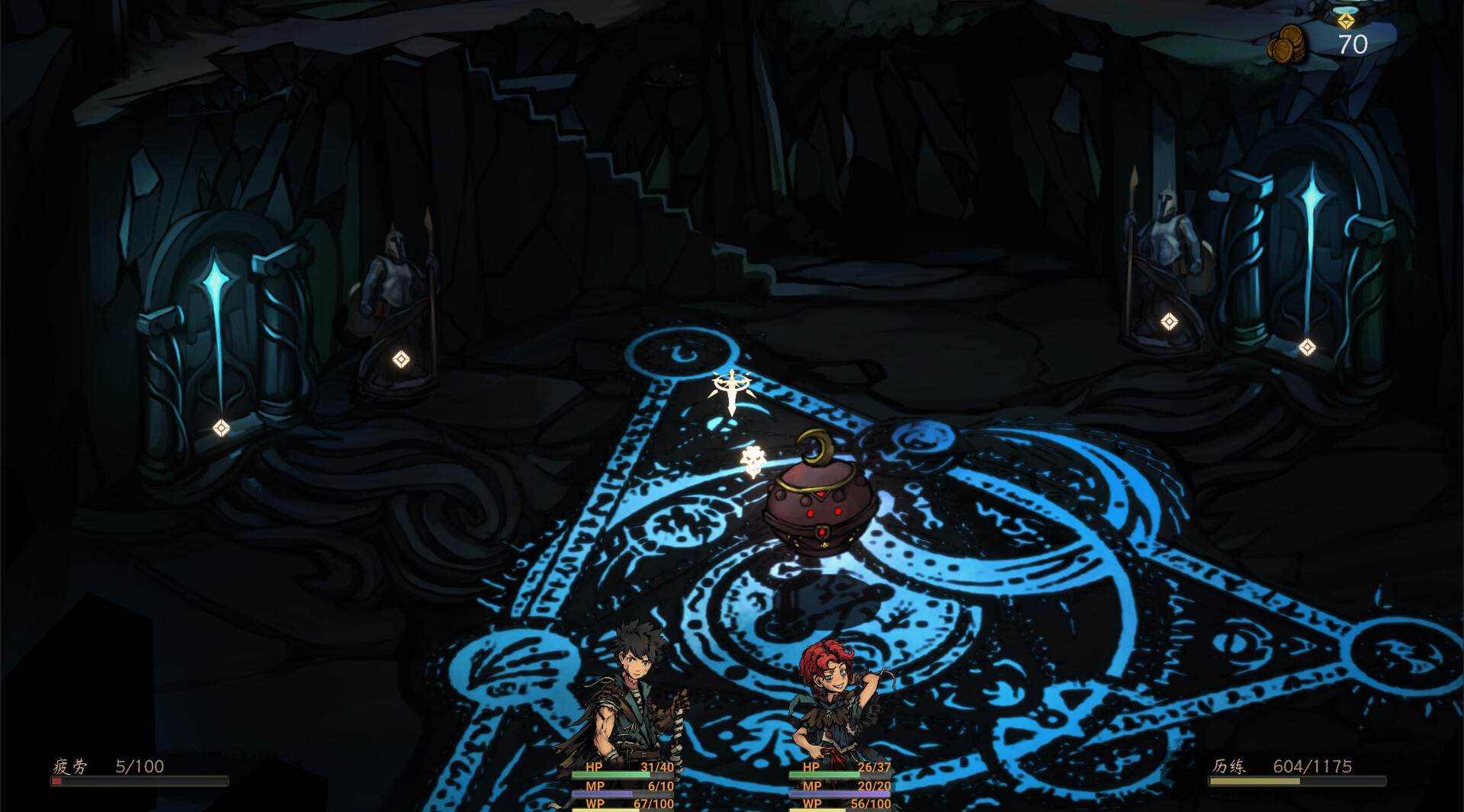
Even the game’s crafting system is streamlined. You’ll acquire recipes as you progress, most of which are vague and allow you to use items on hand. The higher quality the ingredients, the better the result, but it always feels like something you can do on the go, not that you have to stop to do.
Most importantly, all of the characters have compelling stories that drive them forward. Although it’s up to you to determine how to use them, they will be the ones to provide a reason to do so. You’ll have your favorites, sure, but all of them bring value to the narrative and rise beyond the preconceived notions of what a thief, mage, etc., should be in a game like this.

Accenting all of this is the aforementioned presentation. The character illustrations and battle segments don’t offer much movement, but they’re nicely detailed and interesting to look at; like quality illustrations in a fantasy novel. The audio accents them with solid sound effects and some really good music queues, creating a lively atmosphere despite the lack of animation.
My only real complaint is that the UI and subtitles often use fonts that are too small for display in handheld mode; typical of games ported from other systems.
The Nameless: Slay Dragon will not be for everyone. Those seeking more movement and action in their adventures will likely be confused and disinterested in what’s going on here. And, again, the turn-based battle system doesn’t really do anything new or exciting. However, the story is compelling and the way it’s told is refreshing. This is a very unique and rewarding RPG that is sure to be enjoyed by any adventurer who understands the value of the term “old school.”
