Assassin’s Creed, Ubisoft’s flagship series, has delivered two decades of time-hopping adventure. Over the years, it has spawned a glut of expansions and spin-offs, building a franchise with a legion of faithful fans.
Moving away from the Hitman-like structure of working through a target list, the series reinvented itself and shifted into gigantic open-world sandboxes filled with light RPG elements and enough quests to keep you busy until the next instalment arrived.
Shadows, which launched on other platforms in March, landed at a moment of truth for the franchise. Mirage received a lukewarm reception, and confidence in Ubisoft’s output has been fading. Finally unsheathing the long-requested feudal Japanese setting felt like a Hail Mary, and for the most part, it works. This is one of the most engrossing worlds the series has created, supported by two engaging and wildly different protagonists who are a joy to play as.
This instalment also marks the first time the new(est) mainline title has been released on a Nintendo console since Black Flag on Wii U back in the bygone age of 2013. It’s a huge game, a technical powerhouse, competing with Cyberpunk for the opportunity to make your Switch 2 really sweat. It’s worth noting early on that performance and general visual presentation are solid, with some caveats, but more on that later.
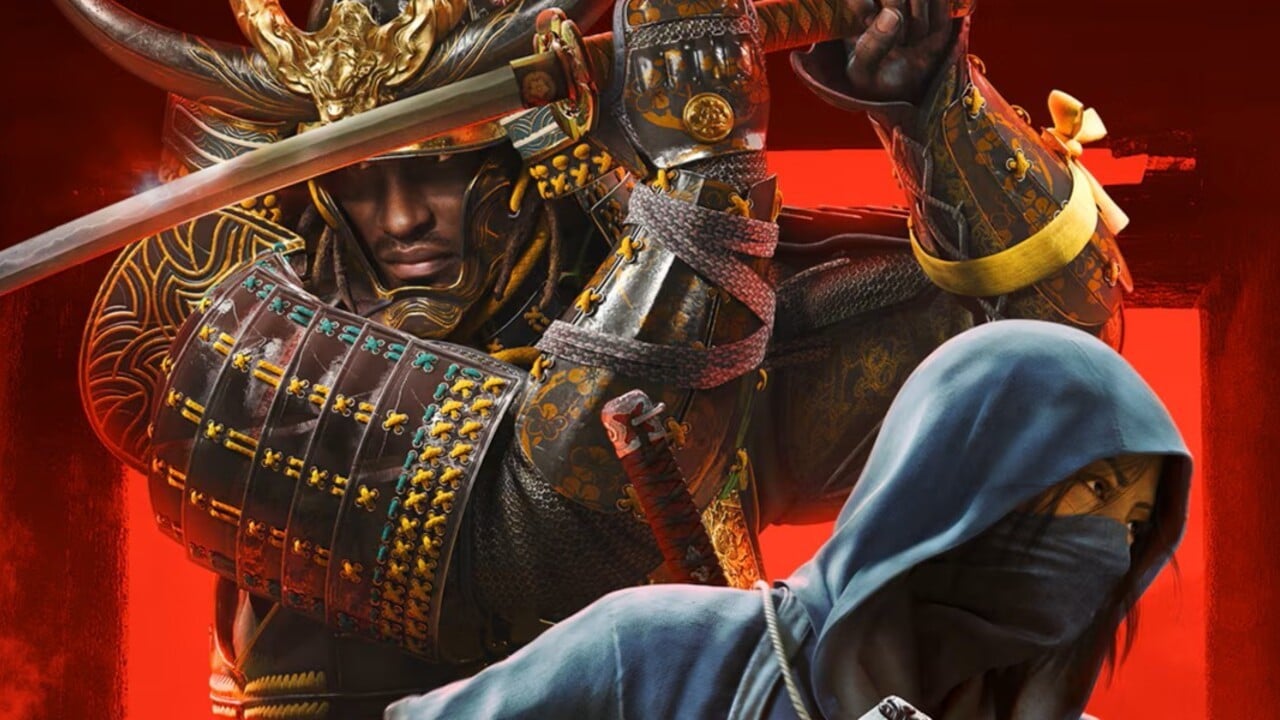
Taking place at the tail end of the Sengoku period, Shadows tracks two parallel journeys across the Kansai region of Japan. Though shaped by the machinations of Nobunaga Oda, a pivotal figure in Japanese history, the story is a familiar revenge tale. Driven to recover a mysterious family heirloom and avenge her father, Naoe hunts down the Onryo, a masked clan of villains. Meanwhile, the Mozambican slave turned samurai Yasuke serves under Nobunaga and struggles through a life of self-discovery and moral conflict.
Their paths eventually cross, and the two become allies, hunting down the corrupting forces spreading across the land and taking down the Onryo one mask at a time.
The Animus element has been pushed far into the background of the series of late, although there is still an overarching mystery involving an omniscient voice, who occasionally reminded me that I was controlling someone who was, in turn, controlling Naoe and Yasuke.

The hook that separates Shadows from other titles in the series is the stark mechanical differences between its dual heroes. Naoe is your traditional assassin type, athletic, sneaky, and equipped with the traditional hidden blade. Sneaking through shadows (light sources can be snuffed out for better stealth), clambering across rooftops and utilising tools to escape combat, this is Naoe’s bread and butter.
Yasuke, on the other hand, is essentially a walking brick wall. He’s an armour-clad brute who smashes through gates, dominates groups of enemies in a fight and has the loudest methods of offence. Unlike Syndicate, the series’ last stab at swappable protagonists, these characters never have parity. They remain two distinct playstyles and expansive upgrade trees only broaden the gulf between them.
Given his size, Yasuke is incapable of most stealth and traversal options, comically falling through tightropes and crashing to the ground during leaps of faith. Conversely, Naoe doesn’t last long in fights with multiple enemies, favouring hidden blade kills and misdirection.
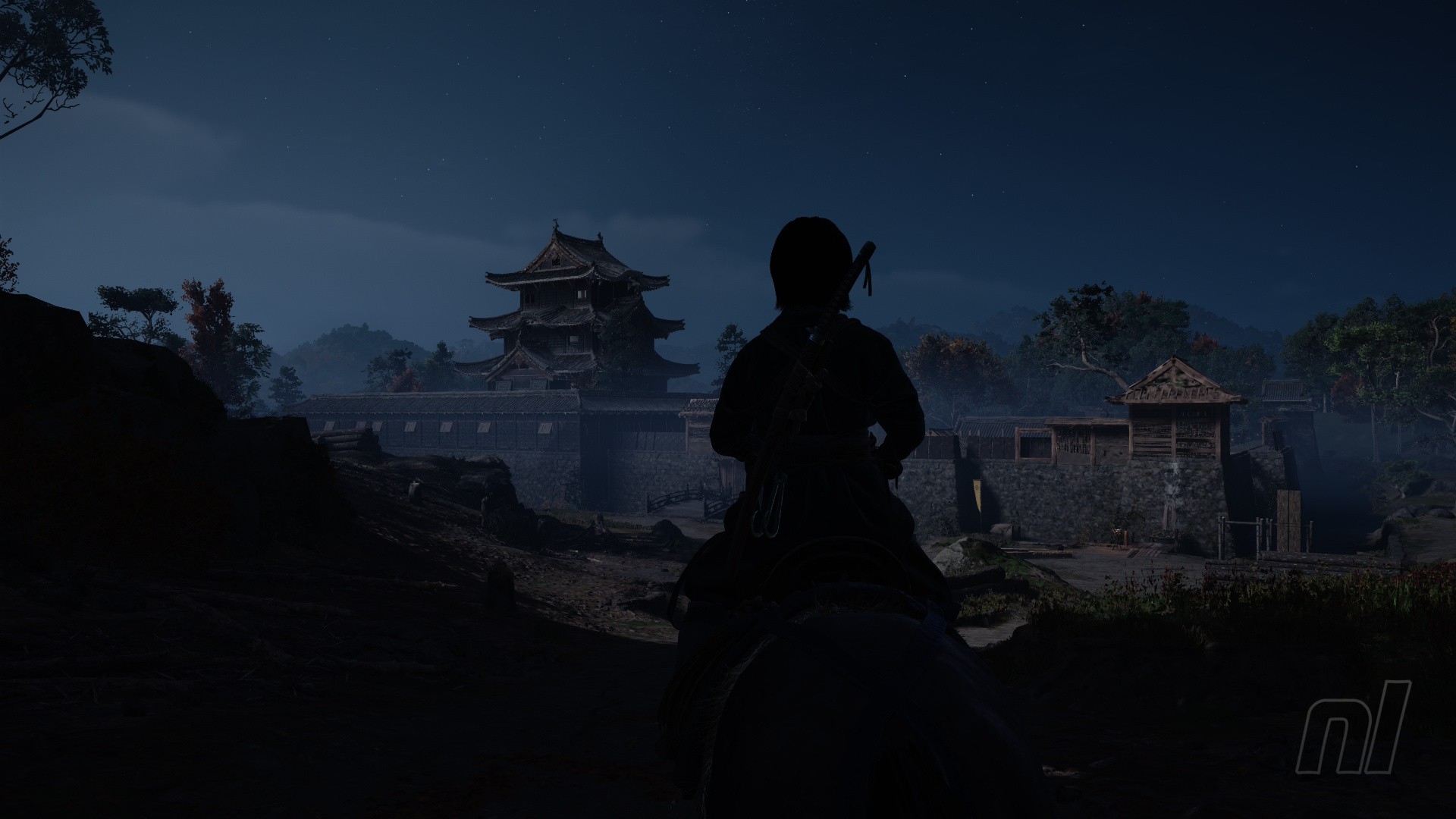
Some quests are meant for either Yasuke or Naoe, and long stretches of the story lock you into one specific character. For the most part, though, you are free to cycle between them. This contrast adds a sense of variety and choice that the series hasn’t really had before. It’s engaging to look at an enemy outpost and decide on the sneaky approach or the one-man army raid.
Combat is also pleasingly versatile, with both protagonists having several main weapon and projectile choices. Highlights include Naoe’s Kusarigama moveset and Yasuke’s Teppo build (long guns and explosives). Outside of weaponry, there’s a mountain of gear to be collected, upgraded and cosmetic-swapped. There is, of course, a microtransaction store for ever more elaborate gear, but this can be ignored.
Establishing a rhythm with both characters is easy because you’re going to spend a lot of time with them. Modern Assassin’s Creed games are overflowing with activities scattered across their expansive maps. You get a titanic main quest that can easily take 80 to 100 hours to finish, along with hundreds of side quests, including Animus quests that refresh endlessly.
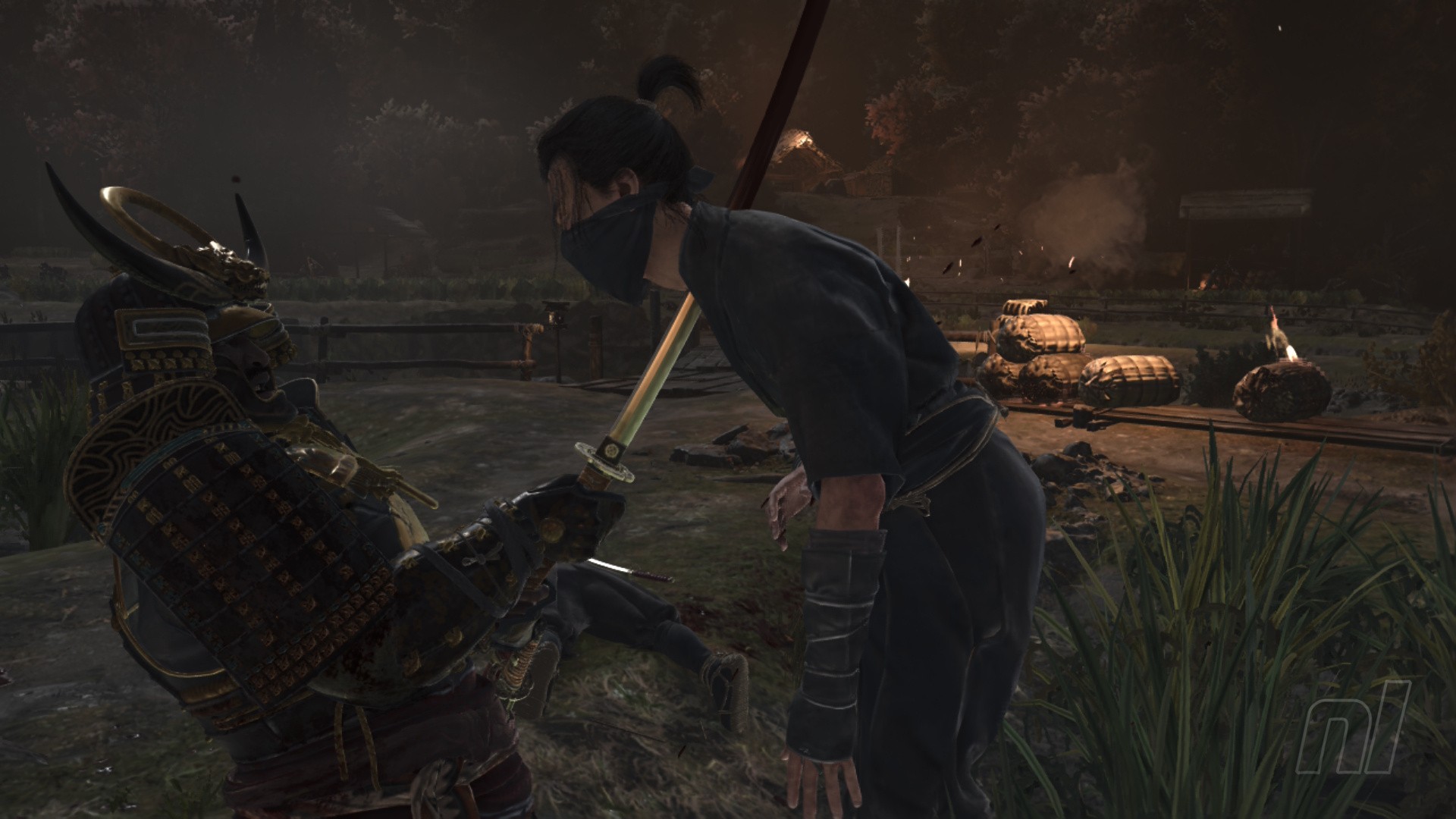
There are many more organisations to dismantle outside the Onryo, new ones popping up on your objective board almost constantly. If you want to dive deep into a single game for a couple of hundred hours, Shadows is built for that kind of time sink.
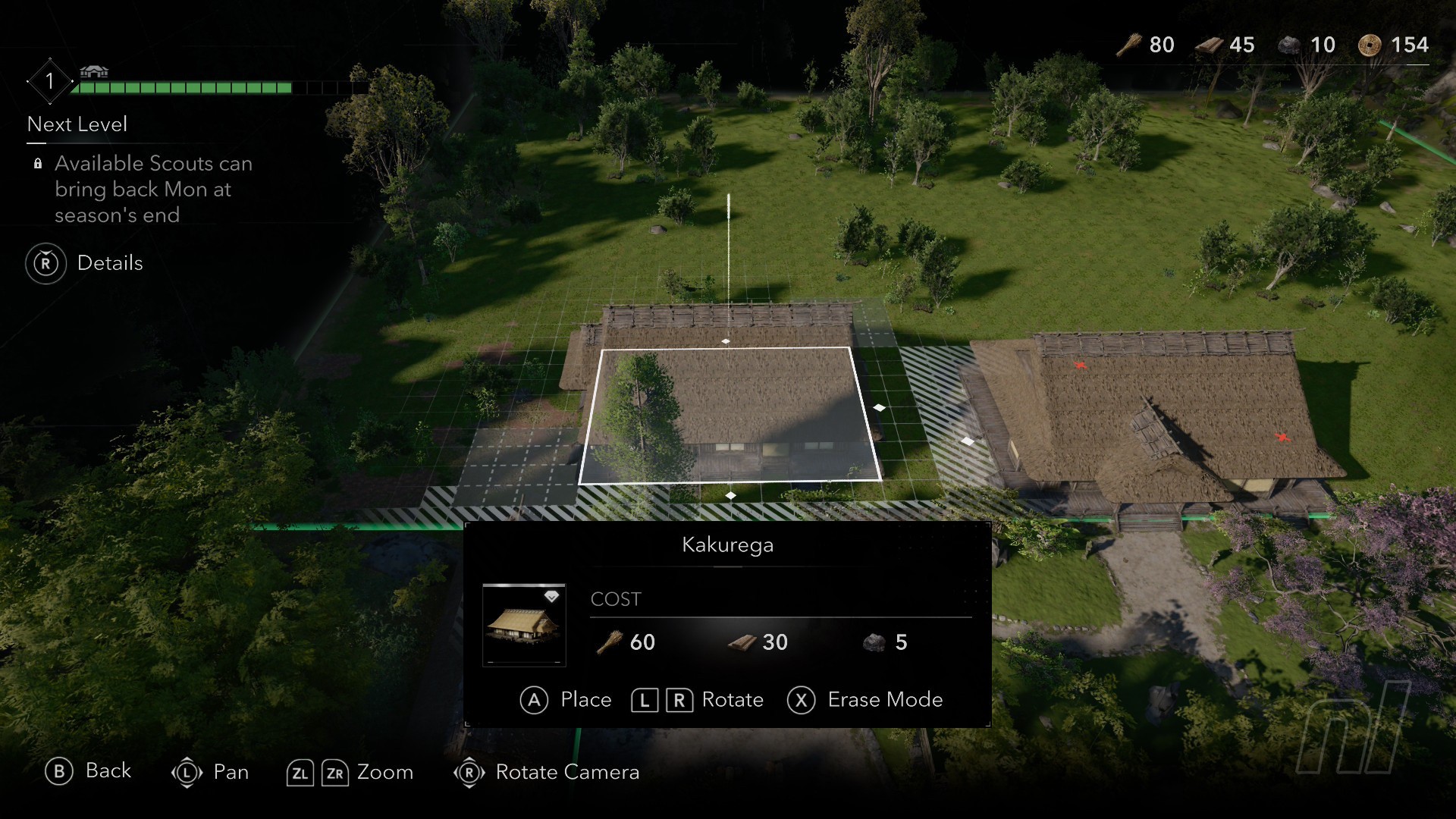
Still, it all feels a bit stretched. Many quests boil down to long treks across the map to speak with an NPC, followed by another trek back to the quest giver so you can start the next errand. There are plenty of activities that try to break up the repetition, including a painting minigame with cute animals and a fun but shallow base-building mechanic, also with cute animals. Even so, I still find myself longing for the simplicity of Altair and Ezio’s adventures.
But what of performance? How does this, a uniquely tailored current-gen experience, play on Switch 2? The short answer is mostly good.
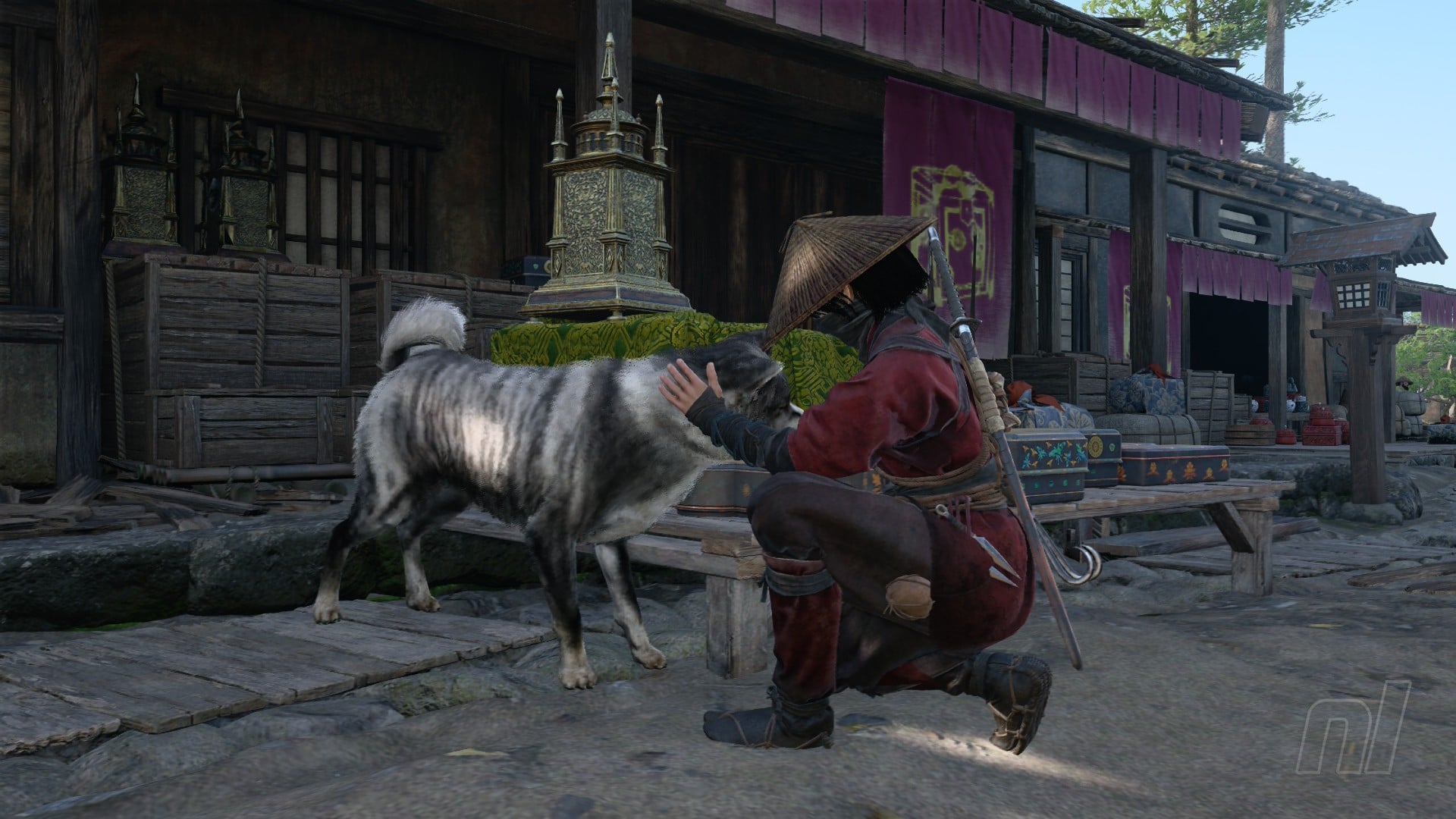
Ubisoft has been uncharacteristically transparent about how Shadows has been tuned to run on Nintendo’s hardware. Much like the exemplary port of Cyberpunk 2077, Shadows uses DLSS for upscaling and VRR to maintain stable frames in undocked mode.
Visual sacrifices have been made to the game’s detailing to preserve stability. Players familiar with other versions will notice the difference, yet it remains an impressive-looking game. Some of the character models can look a bit waxen in dialogue scenes and occasionally texture issues blight the environment, but these issues aren’t too frequent.
Busy population centres like Osaka can cause the frame rate to dip below its 30fps target, and that becomes far more noticeable when undocked. You spend a lot of time moving through areas packed with NPCs, so this lack of stability stands out.
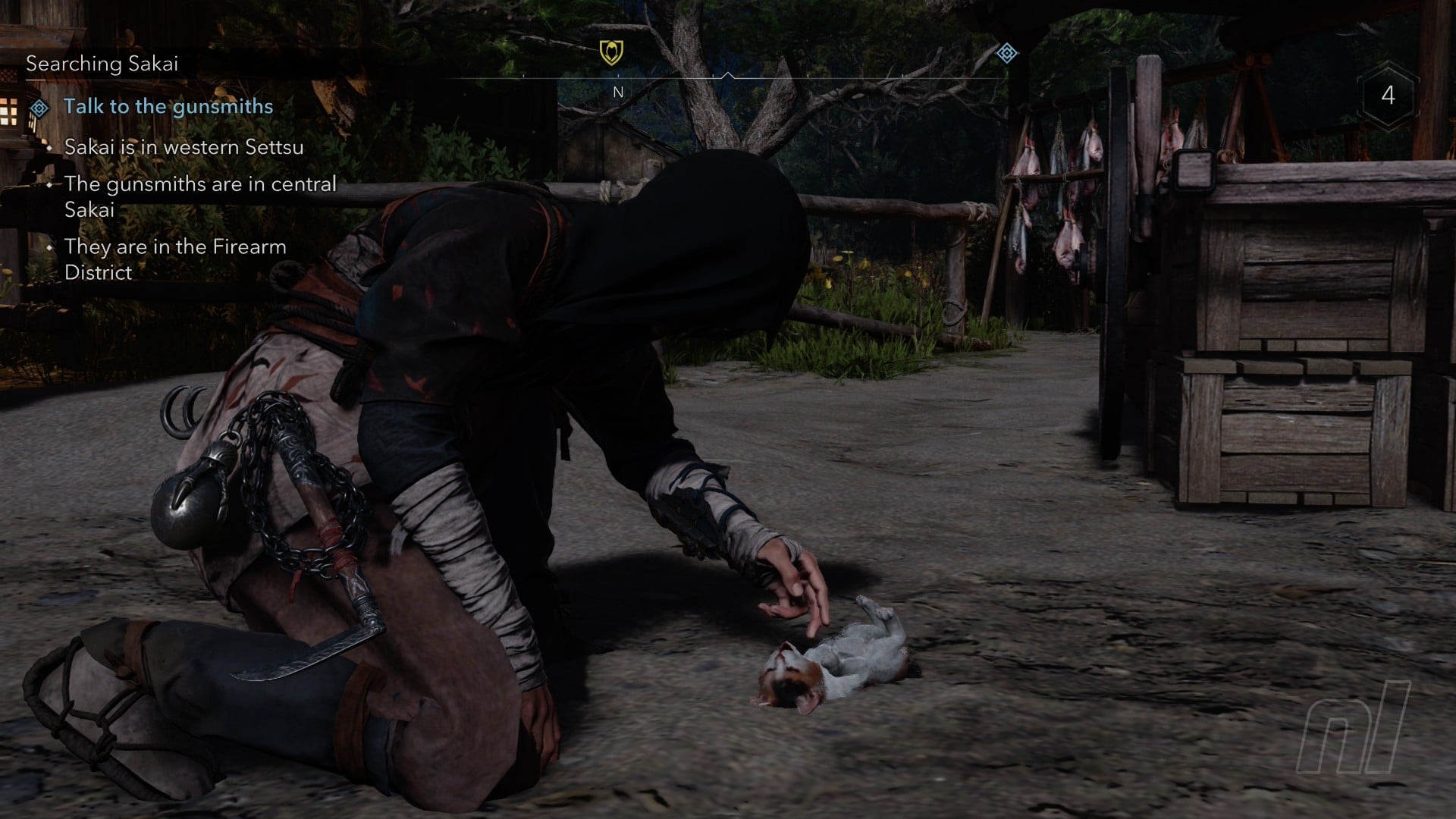
Combat with multiple enemies, which is a staple of playing as Yasuke, holds up better even when smoke and explosions fill the screen. Sneaking around as Naoe relies on the spatial awareness that a smooth camera provides, and that is never an issue here.
For the most part, Shadows is an admirable port of a graphical powerhouse. I cast my mind back to 2017, when I played DOOM on Switch and was astonished at how well it had been optimised for the underpowered console. Shadows on Switch 2 feels like a colossal achievement, only slightly reduced by moments when it strains under the pressure of the handheld console’s capabilities.
This technical ambition is most evident when taking in the rich design of the open world. Racing through the Kansai countryside while the wind kicks up leaves and ground clutter around your horse feels richly atmospheric. The amount of colour and detail on display is staggering at times. Seasonal changes add to the natural splendour even more, creating ever-shifting biomes.
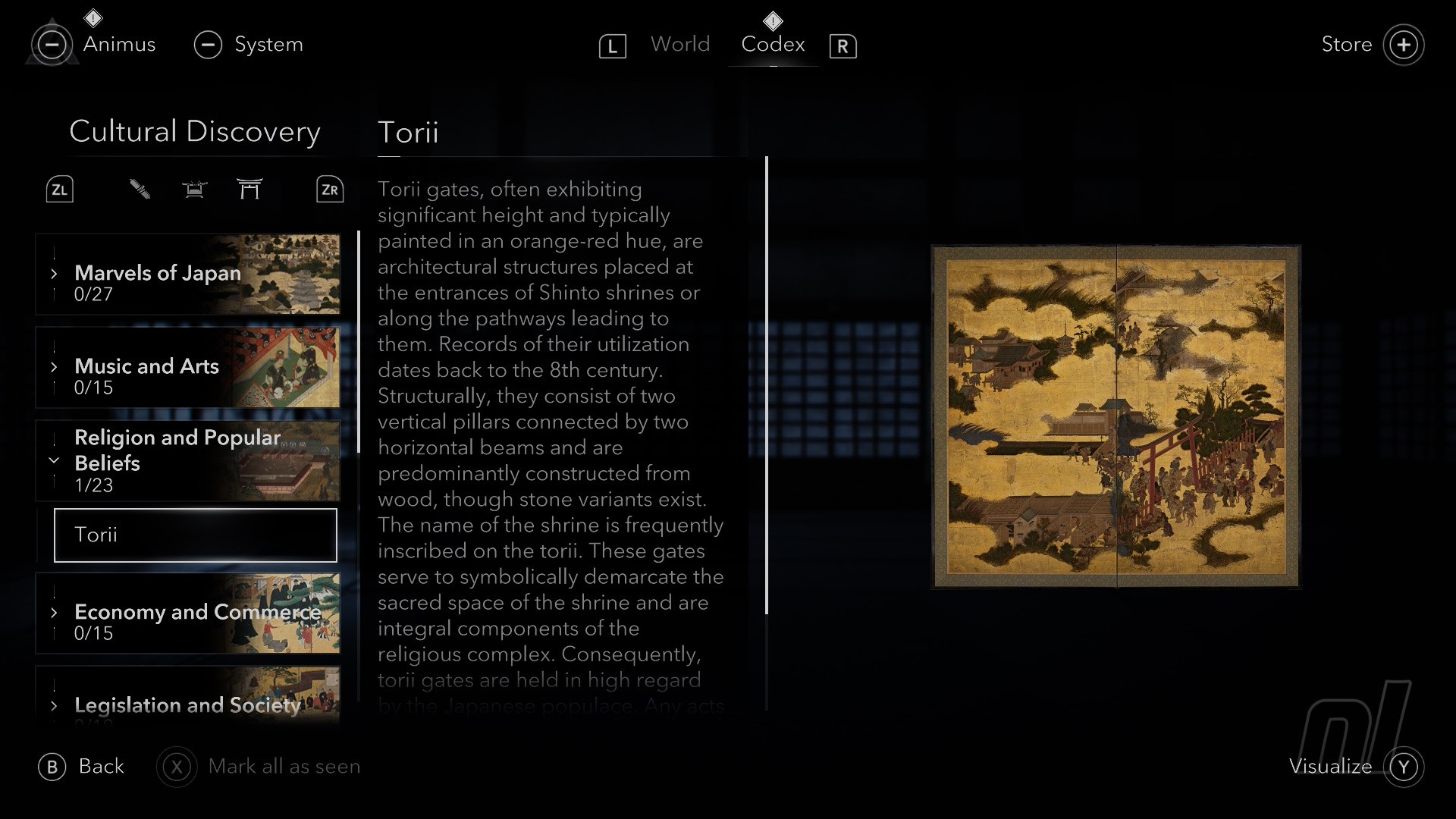
Touch controls are included, but only for menus and the base builder, and mouse controls are sadly missing. There is a useful Ubisoft Connect feature that lets you carry your progression across consoles. The Switch 2 version comes with all patched-in content that is already available on other systems. The Claws of Awaji expansion is not bundled, although it will be available to purchase separately in February.