


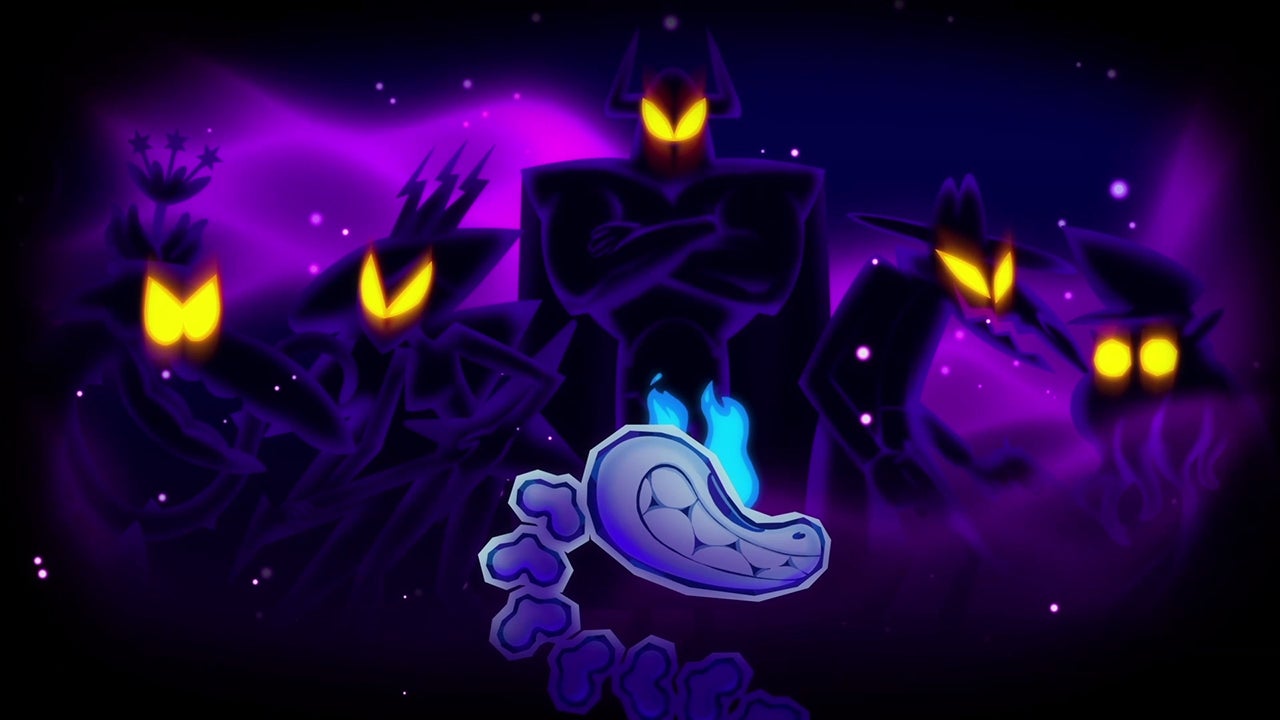
Kulebra and the Souls of Limbo is one of those indie games that manages to feel both familiar and completely fresh at the same time. The player takes on the role of the mysterious Kulebra, a skeleton snake who wakes up in Limbo without any memory of how they got there. To piece things back together, you need to explore the different areas in Limbo, talk with the various spirits lingering there, and solve puzzles to help them move on to the afterlife. As you progress, the story will slowly reveal not just Kulebra’s past, but what it means to move on after death.
The art style might look familiar to some, and it’s one of the first things that drew me to this game. Kulebra and the Souls of Limbo is decked out with papercraft-inspired visuals that are reminiscent of the Paper Mario series. At first the bright, illustrative setting might give you the idea that this is a cheerful innocent game. But I assure you, it gets darker as you make your way through the story and find out what’s really going on. I don’t want to give too much away in this review, as this is one of those games that’s better if you don’t know what’s going to happen.
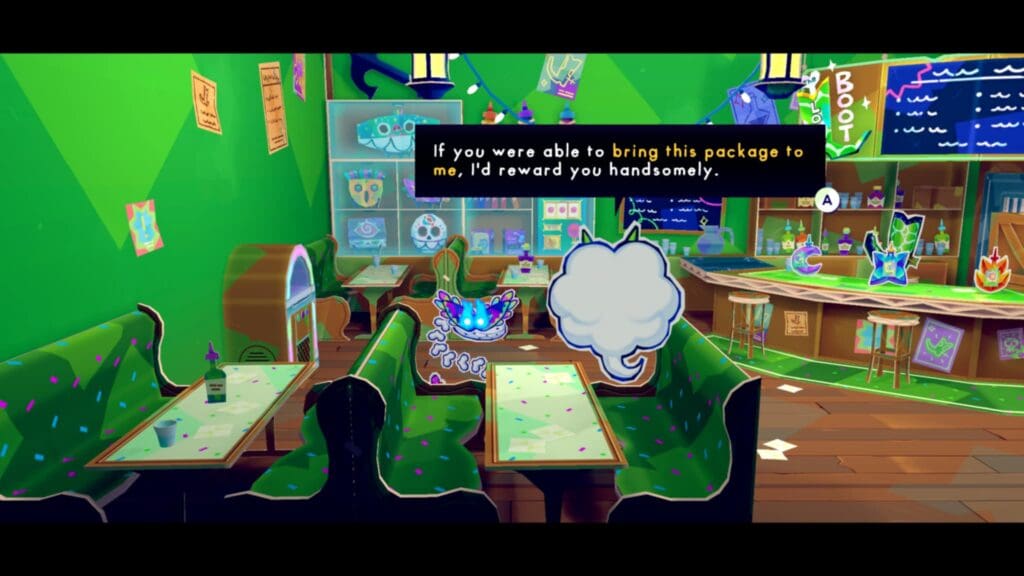
Time in Limbo loops each day. You start in the morning, then move to the evening and then move to night time, resetting as dawn breaks. This clever mechanic brings to mind Majora’s Mask, except Kulebra focuses on exploration and puzzle-solving rather than combat. When the day resets so do most of the characters’ memories, unless something significant happens. Like triggering a event that’s part of the main story, or completing a specific task for someone that’s needed for progression. These are called Soul Marks.
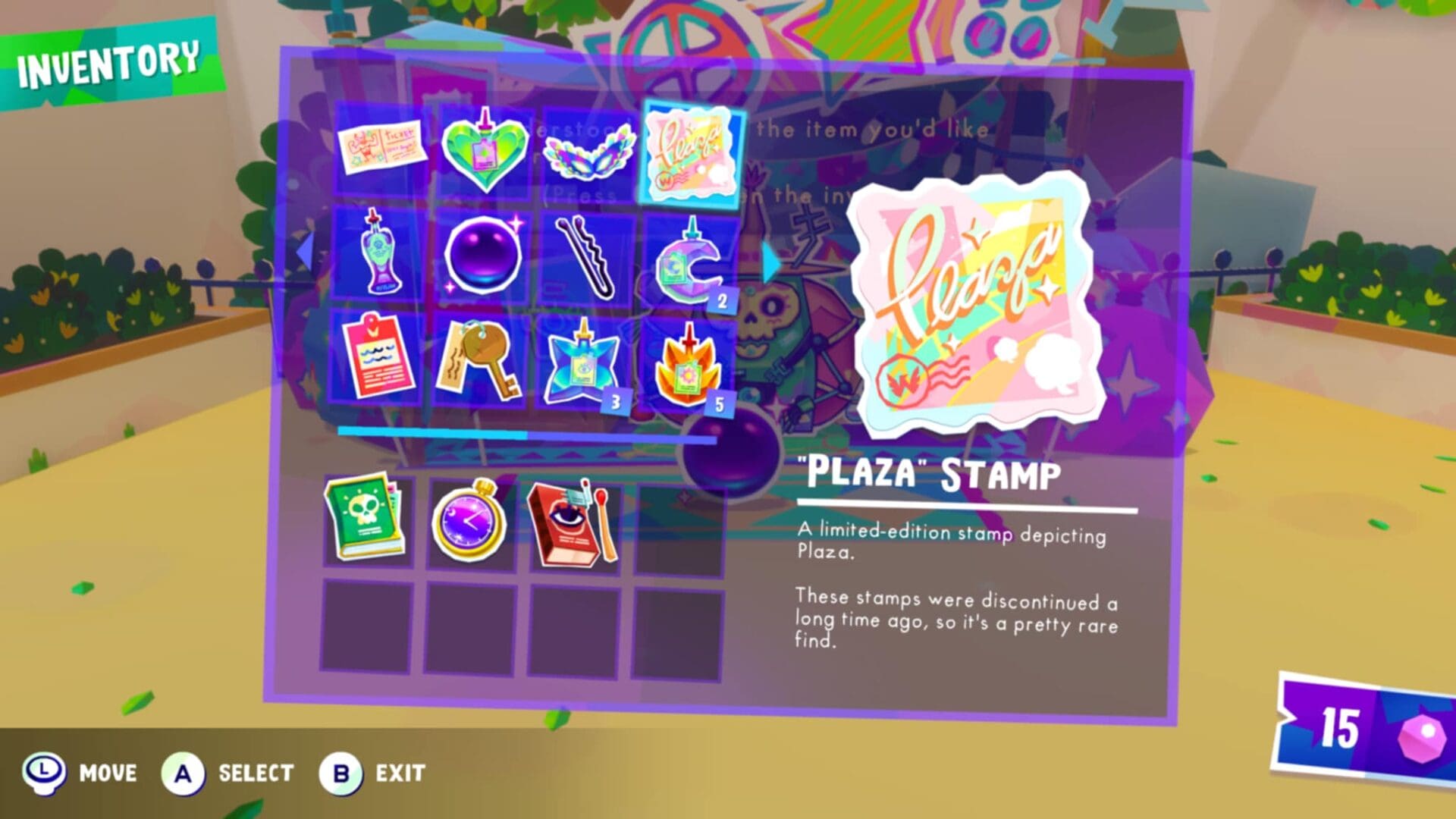
This applies to items as well. Kulebra will keep most of their items, however there are specific things you won’t be able to keep that are bound to the characters you’re helping. So you’ll have to use them while they’re in your possession, or go collect them again if you missed something. Each loop teaches you a little more about the characters and their stories, and will help you discover the key to helping them “move on”.

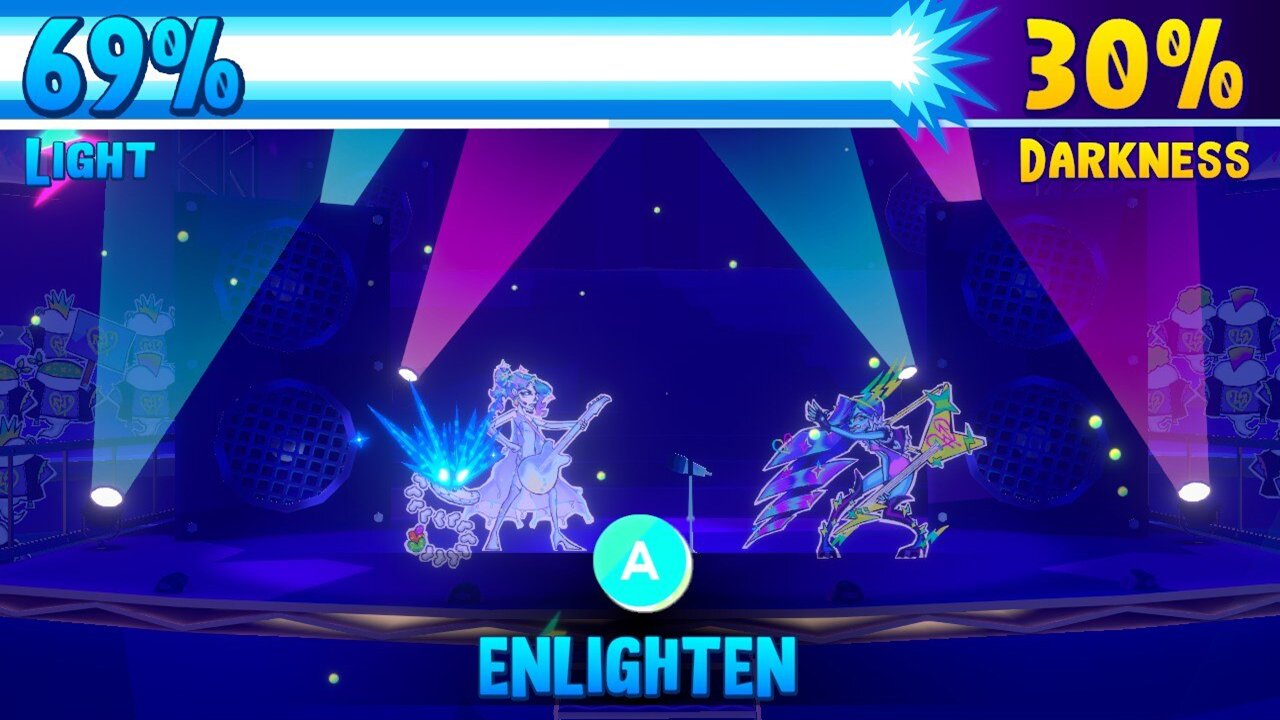
Boss encounters come in the form of quiz-style confrontations with a spirit’s “dark form” at the end of each chapter. Rather than a traditional fight, you must answer questions or call out incorrect ones to calm the dark soul. Luckily, you have a journal (also like Majora’s Mask) that documents everything you learn about every character you meet in Limbo. If you are able to answer the questions correctly, you will succeed in calming the soul and completing the chapter. Get too many wrong, and the darkness meter fills, ending the run.
If you fail, the screen will fade to black and you will start at your last checkpoint. It’s an inventive way to get the player to actually read, and pay attention to all of the dialogue and clues hidden throughout the game.

The final chapter gets a lot darker than the rest of the game and these corrupt souls that you have to tame are actually pretty scary. Especially the creepy demons that follow you around toward the end. There are some collectibles and side missions that you can focus on during the story or in the epilogue. You’ll need to collect everything to reach 100% completion, which isn’t super hard, but it is fun and feels rewarding when everything is checked off of your task list.
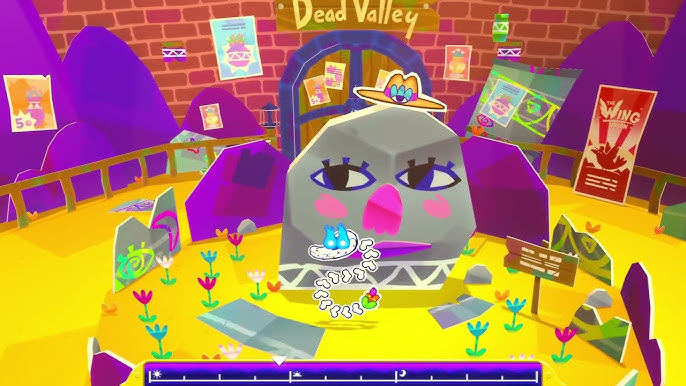
Kulebra and the Souls of Limbo is an emotional rollercoaster, but in a good way. It actually had me tearing up at certain points, sometimes happy tears, other times sad ones. Overall, it was a really good experience that I was eager to see unfold. The papercraft visuals and looping time mechanic give it a distinct charm, while the boss-fight quizzes showcase a clever design and some very heartfelt storytelling.
It’s not a sprawling, epic game, and it doesn’t need to be. Kulebra and the Souls of Limbo is a game that leaves you with something to ponder. I really hope to see a sequel or at least some DLC in the future. I highly recommend checking this one out if you’re looking for something new and original to play with a great story.
