



Persona 3 Reload is a blast from start to finish. The gameplay and story expand in many directions, but the game maintains a balance and focus that many less ambitious adventures have trouble executing. It’s not a title I’d recommend to everyone, but those who are open to its concepts will be thrilled.
Originally released for PS2 back in 2006, this “Reload” is a complete overhaul of the visuals and the gameplay, complete with many new features…I’m told. I didn’t play the original. In fact, the only proper Persona game I’ve ever played is Persona 5 Royal for the Switch. This means I can take Persona 3 Reload for what it is, not what it was, and it is a compelling, often thrilling, and sometimes emotional adventure.
You play the role of a high school transfer student with the ability to enter the “Dark Hour” (a period hidden between one day and the next). Most people enter coffins during this time, and come out of it with no knowledge that it happened. A few others who share your abilities have already formed a group—SEES (Specialized Extracurricular Execution Squad)—to counter the Dark Hour threat, and you’re quickly recruited to join.
But also, high school! The balance between demon hunting and the trials of teenage life is common literary fare, sure, but that’s because teenagers continue to have demons to battle. We can all relate, and we can hope that we have a group of friends like the SEES members to help us along.
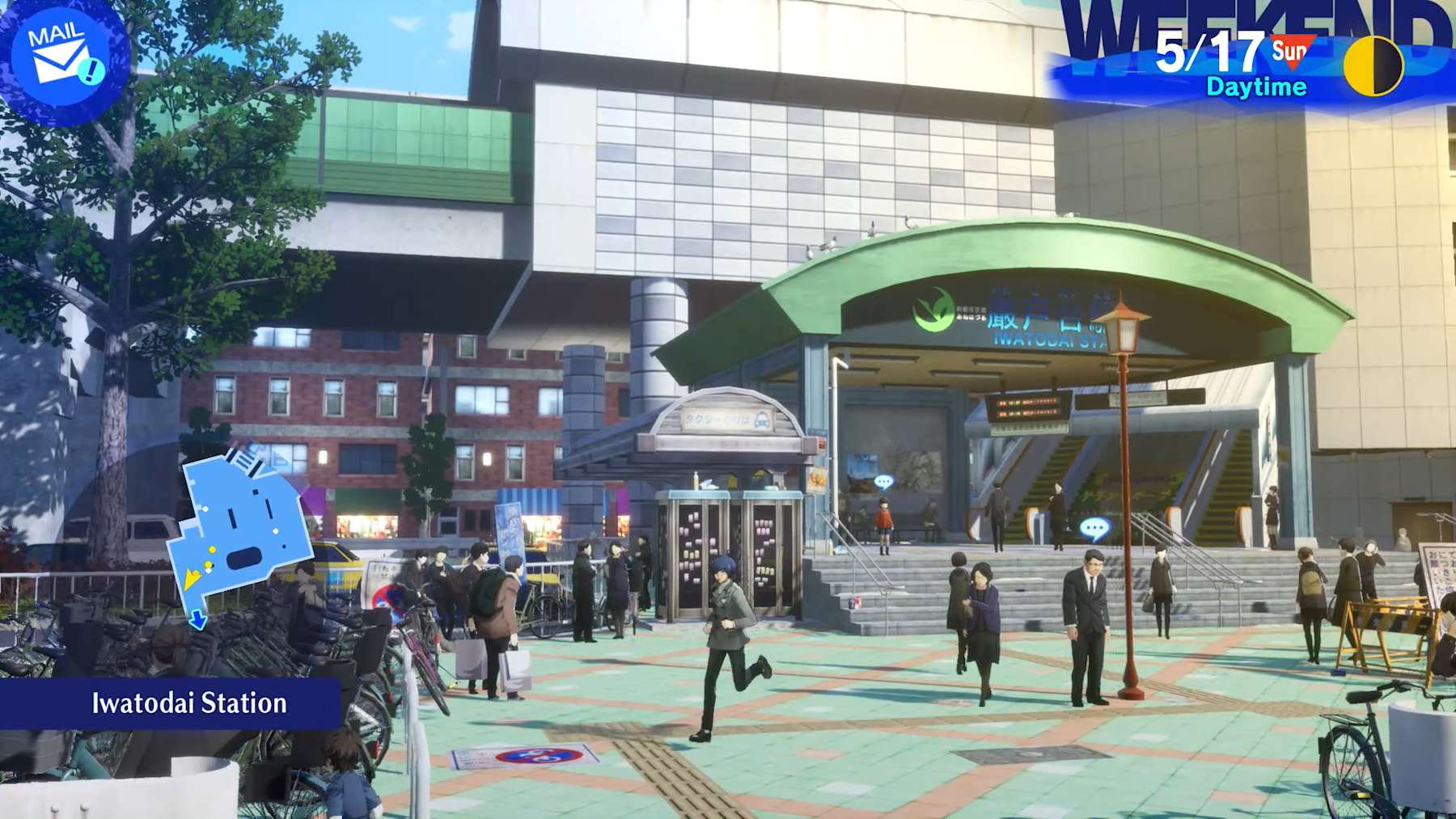
Throughout the day, our hero attends classes at Gekkoukan High School. Gameplay there involves everything from answering quiz questions to eavesdropping on fellow students to buying lukewarm taiyaki to store in your dorm’s fridge. You’ll also develop friendships with students outside of SEES, and will help them work through everything from sports injuries to romantic relationships with teachers. I mean, the narrative actually does the helping, you just weigh in from time to time for relationship points.

There’s the nightlife, too, when you get time to study, play games at the arcade, take on jobs, try new foods, etc. There’s a lot to do and plenty of opportunities to do it, but there’s also a deep strategy to it all. Your choices affect your character’s charm, courage, and intelligence, all of which increase your abilities and open access to different story beats as you level up. There’s no real right or wrong to how you progress, but a balanced life is as good at GHS as it is in your reality.
If this sounds stressful, don’t panic; the game gives you the ability to rewind your decisions to a certain point if you don’t like the results. Also, these activities are structured into specific time periods: before school, after school, and evenings. The story often skips over some of these periods or opens up others, but the basic structure remains intact; you’ll spend your days and nights leveling up, improving your relationships, and earning cash, then you’ll take it all into battle.
The combat mostly takes place in the Tartarus during the Dark Hour. This is a constantly changing tower rife with demons, and exploring it is SEES’s main objective. You get full freedom of movement through each short level, acquiring treasures and battling enemies until you find the stairs to the next level.
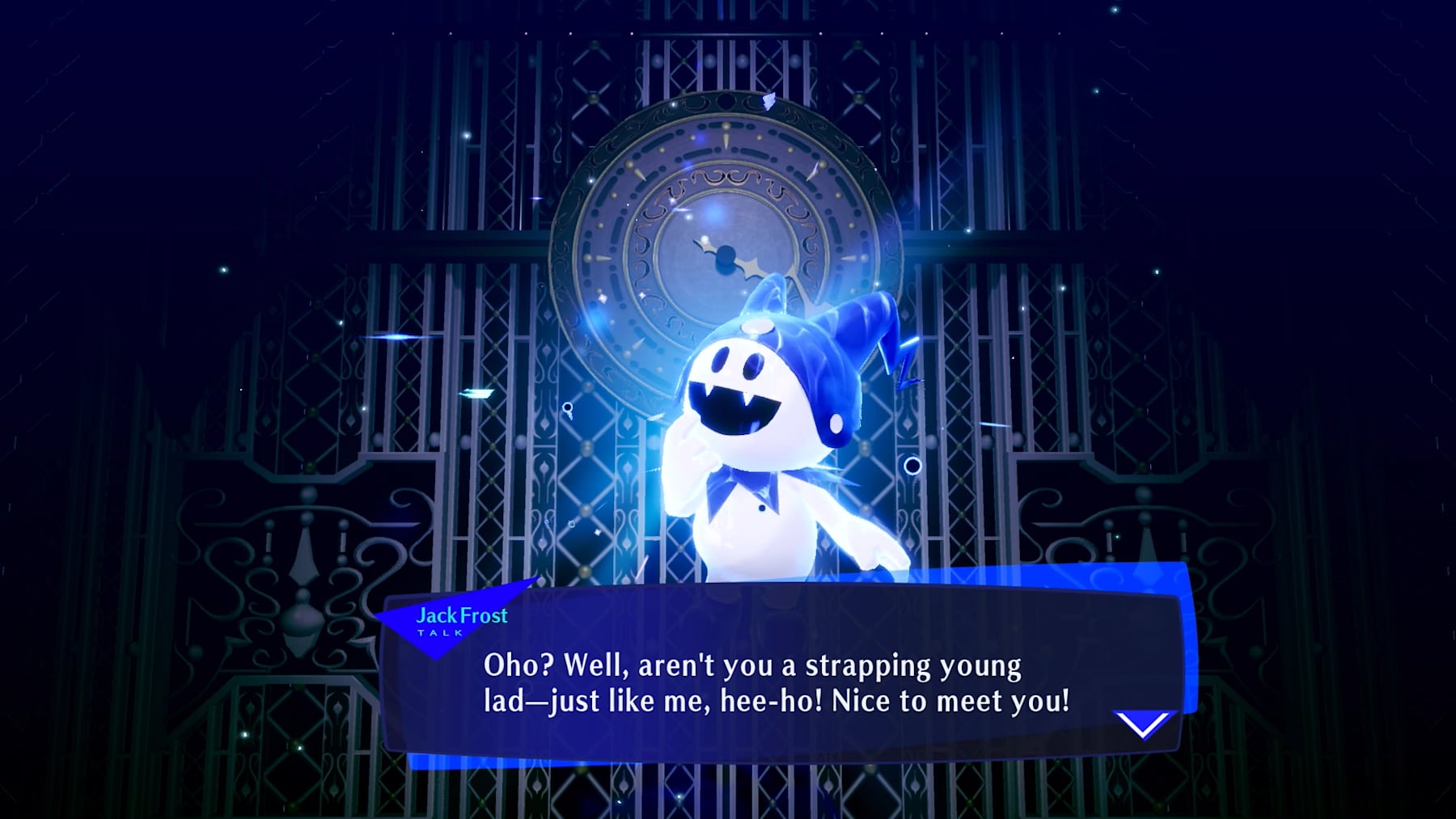
Those battles are turn-based, and they usually involve a party of four SEES members (including yourself). All members are equipped with a “persona”—a characterized power they call out by shooting themselves in the head (yes, I know, but it’s a visual metaphor, and writers are allowed to use metaphors). Each character’s persona has specific strengths and weaknesses, and you’ll need to use them effectively in combat—exploit an enemy’s weakness with the proper attack, defend your own weaknesses, apply buffs and debuffs as warranted. It helps that your character is able to shuffle through multiple personas that have been acquired via the story or demon fusion.

Now, demon fusion is a whole thing that’s a bit too complicated to detail here. Basically, you can combine demons you’ve acquired to create a new, more powerful demon. You can determine which active and passive traits are passed through, you can release demons to make room for others, you can buy them back…it can take up a lot of your time (and in-game funds) as you seek to optimize the demons at your disposal. Anyone familiar with Persona or Shin Megami Tensei knows how this works. If not, it’s pretty well explained in the game, although you’re on your own (or on the Internet) for strategies.
Eventually, you’ll reach a point in the tower that’s blocked off, and then it’s back to the daily grind. If you’re able to get there in one shot, great; you’ve now got more time for the social aspects. If not, you can leave and return with refreshed health and SP for your special persona attacks. I found it easier to complete full sections in Persona 3 than in Persona 5, but whether that’s because it’s simpler or I’ve just become more experienced, I can’t say.
This only scratches the surface of the abilities you’ll gain and the tasks you’ll complete in and out of the Tartarus. One of Persona 3 Reloaded’s greatest feats is its ability to keep gameplay fresh over its approximately 100-hour runtime. Both high school life and the demon hunting are repetitive by nature, but the game’s stellar story and the demon compendium continually give you something to look forward to. Solving a character’s problems and awakening his or her persona always makes for a great moment. (And, of course, you get to romance some of those characters, too.)
The remake’s visuals are pretty solid. The anime cutscenes are great, and the varying designs within the Tartarus (not to mention the enemies along the way) are fascinating.
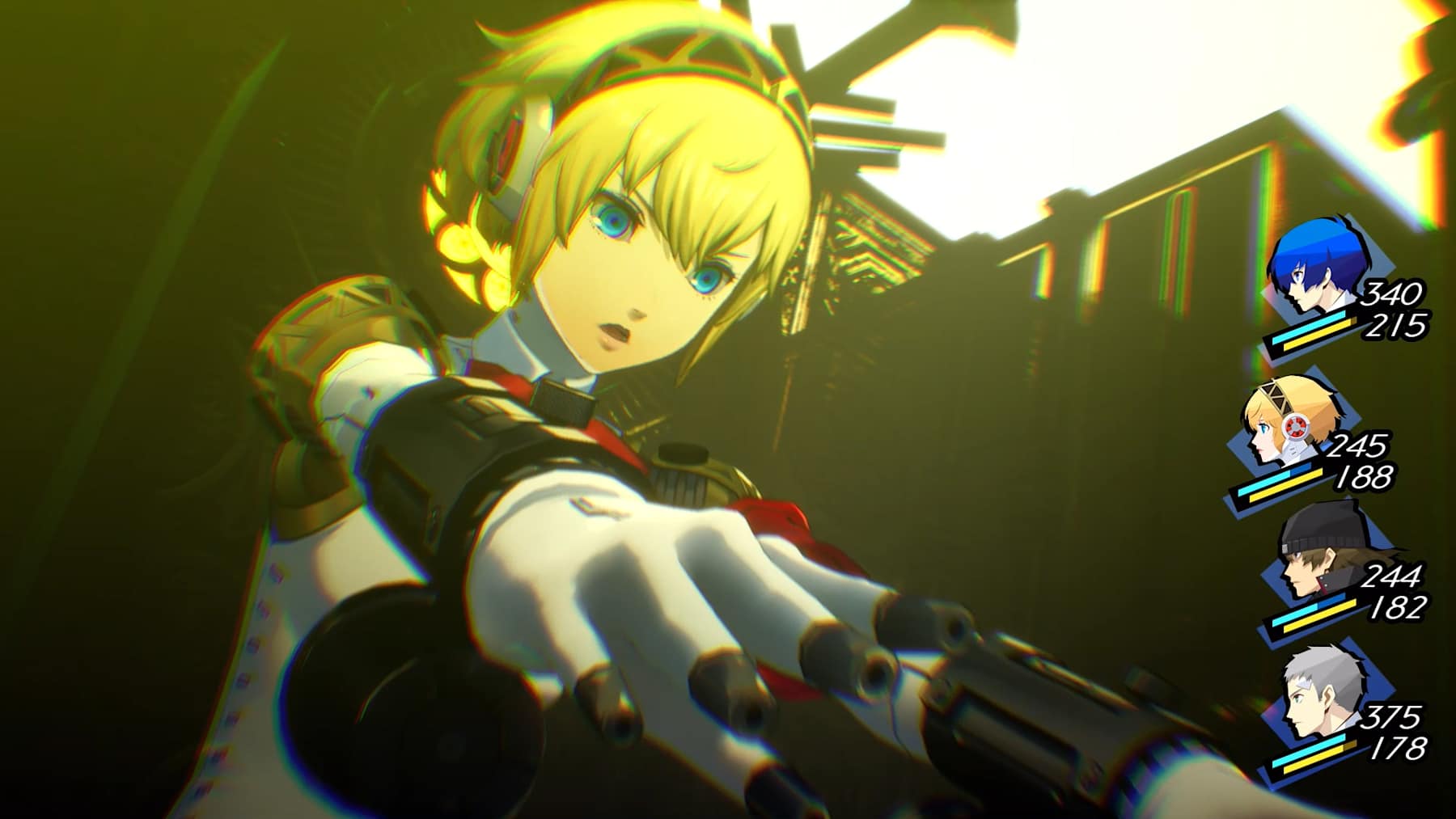
Having played Persona 5 Royal first, however, I felt the overall presentation here was a step back. So was the energy level. This doesn’t harm the experience, however. What will is the fact that the game is Switch 2-compatible only. I don’t see anything here that would make a Switch version impossible, but I’m not a programmer.
Where the game does get too repetitive is with the music. The pop songs sprinkled throughout are fine, but not good enough for the number of times you’ll hear them. How could they be considering the rate at which they’re played? I’d point out again that this is rarely an issue with symphonic scores, but the pop style is inherent in Persona’s identity; hearing the music, my wife asked why I was playing Persona 5 again.
All of these elements (and others I didn’t mention) add up to create a slick, exciting, highly memorable gaming experience. Persona 3 Reload is the kind of game you spend the day waiting to get back to. And now that I’ve finished both it and 5, I’ll spend the day waiting for the next Persona remake, reload, rehash, whatev-Re.
