


While Capcom has been on a roll with the last few Resident Evils, earlier in the series’ life things didn’t always go so smoothly. Resident Evil 2 was rebooted about 70% of the way through its development, with the original version eventually dubbed Resident Evil 1.5. Later it would take Capcom multiple restarts to settle on a direction for the masterful Resident Evil 4. Both ended up being huge hits, but if either development story had worked out differently, it’s likely both survival horror and action games would look a lot different today. I mean, imagine living in a world where Resident Evil isn’t goofy as hell.
“It was all too realistic. The ominous atmosphere from the first game, as represented in things like the Spencer Mansion itself, the armor room, key items like the jewelry box and gemstones… all that had been removed,” Resident Evil 2 writer Noboru Sugimura said in an interview way back in 1998, as translated by Shmuplations. There he was speaking about that canceled “1.5” version of RE2 that Capcom abandoned—when he joined the project mid-development, his first bit of advice was to rewrite it.
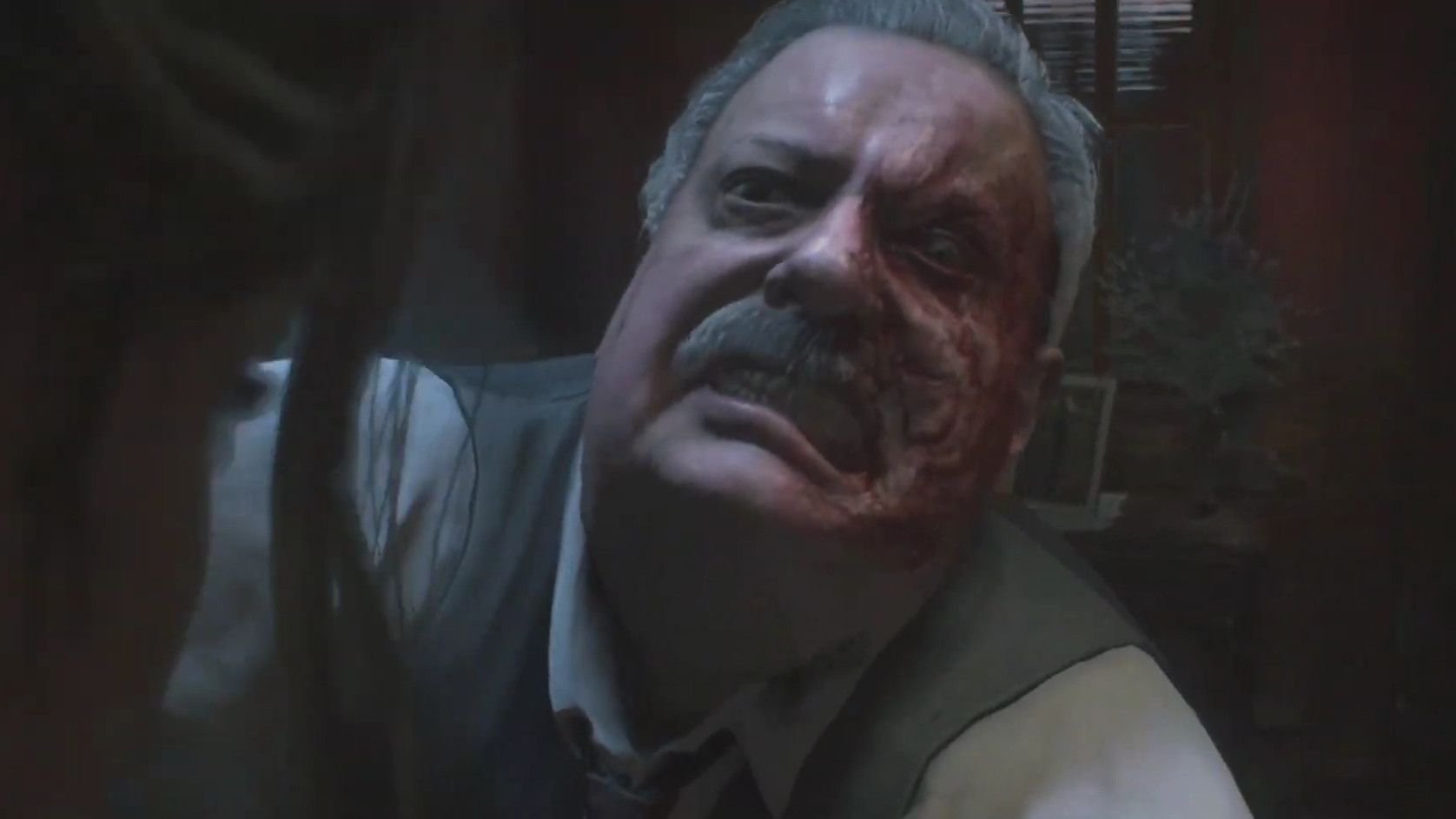
There are some other great tidbits in the interview, which features both Sugimura and RE2 director Hideki Kamiya. But the best bit focuses on Resident Evil’s memorable—though often nonsensical—puzzles, which RE2 helped cement as core to the series’ identity. Over-the-top villain Brian Irons, the Raccoon City police chief, was originally “normal” until Sugimura started rewriting the game.
“I was the one who created that deviant personality of his,” Sugimura said. “Once we had changed the police station building from a modern one to that old art museum, someone on the team said it would be weird if there were medals just lying around in such a place. Then I said, ‘Well, we’ll just have to make the police chief a weirdo then!’, and Irons was what I came up with. (laughs) I created a hidden room, and the idea that he had been receiving bribes from Umbrella—a police chief with an insane grin on his face… At first people were saying, ‘This isn’t very realistic’, but I replied that reality depends on persuasion and belief, so as long as everything was consistent, it would appear real.”
I love that last line: As long as everything was consistent, it would appear real. To its credit, Resident Evil’s puzzles have stayed remarkably consistent over the years, to the point that sticking gems in statues or decoding astronomical symbols feels more or less central to the identity of survival horror games.
Also, I think it’s good when developers get to entertain themselves, as a treat.
“To be honest, the first time that I heard Sugimura wanted to make Irons into a weirdo, I was against it… but as the development progressed, the whole staff got into it,” Kamiya said in the interview. “One example is the torches in the hallway leading to his hidden room. The person who made it told me, ‘The Chief uses those to light a fire when he has his rituals!’ They started coming up with all these ridiculous details.”
From our previews of Resident Evil Requiem, we’re pleased to find that Resident Evil’s “realistic” puzzles are still going strong.
