


Unity has not been having the greatest time in recent years, much of which is down to its former CEO John Riccitiello. Calling developers “fucking idiots” didn’t seem a wise move when your business depends on, erm, developers, but that was nothing next to Unity’s plans for a mooted runtime fee that would see game makers charged for their games being booted up.
The reaction against the runtime fee was horror swiftly followed by unanimous anger, forcing Unity into a total climbdown and Riccitiello to fall on his sword. It’s fallen to new CEO Matt Bromberg to rehabilitate the company’s image and win back some developer goodwill, and he’s recently been on the interview circuit saying very sane things like “you can’t have a business where we’re [fighting our] customers. That’s insane.”
In an interview with The Verge Bromberg is asked about the metaverse, and I kinda like the cut of this guy’s gib.
“I was never a massive believer in the metaverse during that period of time,” says Bromberg. “I’ll tell you why: Because, as a game maker, I experienced all those new platforms and just thought they were garbage. And I thought, ‘This looks like the games we tried to make 15 years ago. There is no way that’s a sustainable consumer experience.’ All sorts of metaverse companies—I was completely confused by them.”
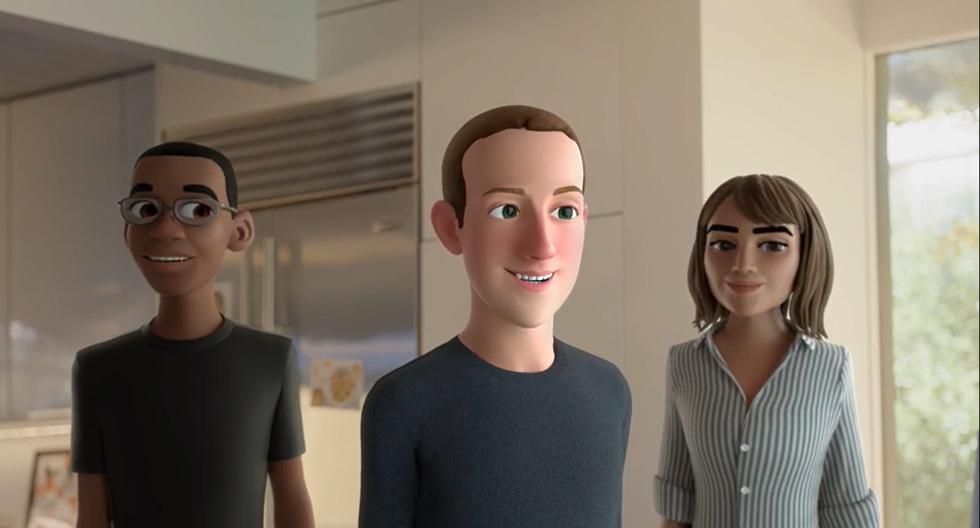
Bromberg goes on to distinguish between the metaverse as Mark Zuckerberg would describe it, and huge live service platforms like Roblox and Fortnite that are often described as metaverses (erroneously in my opinion). These experiences with millions and often tens of millions of players “in some ways [are] the fundamental feature of the videogame business right now—80 percent of the people are deeply invested in this experience that they’ve been playing for years.”
He’s not wrong about that: a recent GDC talk estimated that 92% of PC gamers are spending their time on games that are more than two years old. Bromberg reckons one of the big challenges now is convincing players to try something new, “but I wouldn’t confuse the failure of the metaverse with some lack of sustainability in major live service gaming.”
As for all the gear that comes with the metaverse, the headsets we’ll apparently be wearing all day and hand controllers etcetera, Bromberg doesn’t mince his words about some of what we’ve seen: but reckons it’s only a matter of time before AR glasses of some sort hit the right form factor.
“Put aside the idiocy of some of the metaverse stuff,” says Bromberg. “The future, to some degree, is going to be tied to massive consumer adoption of peripherals, or maybe that’s an old-fashioned word for it, but new devices. I’m an enormous believer in AR […] I have no doubt that a couple of years from now everybody’s going to be wearing AR glasses. The combination of AI and voice, which enables really easy interactions with the form factor, the battery life that is now possible, and the ability to overlay information and services in front of your eyes, to me, is obviously going to explode.
“And we’re going to look back and think about the time when we kept reaching into our pockets to pull out this thing for everything, it’s going to seem quaint. But it takes a long time to get true mass consumer adoption of these devices because it all has to be perfect. But once it hits, it explodes.”
Hmmm. I don’t disagree with the hardware side of what Bromberg’s saying: I wear glasses, and putting them on in the morning barely registers. But it seems to me there’s also a philosophical side there where you’re choosing to have the whole world mediated, all the time, through technology. And much as I love tech, I’m not sure how appealing that is.
