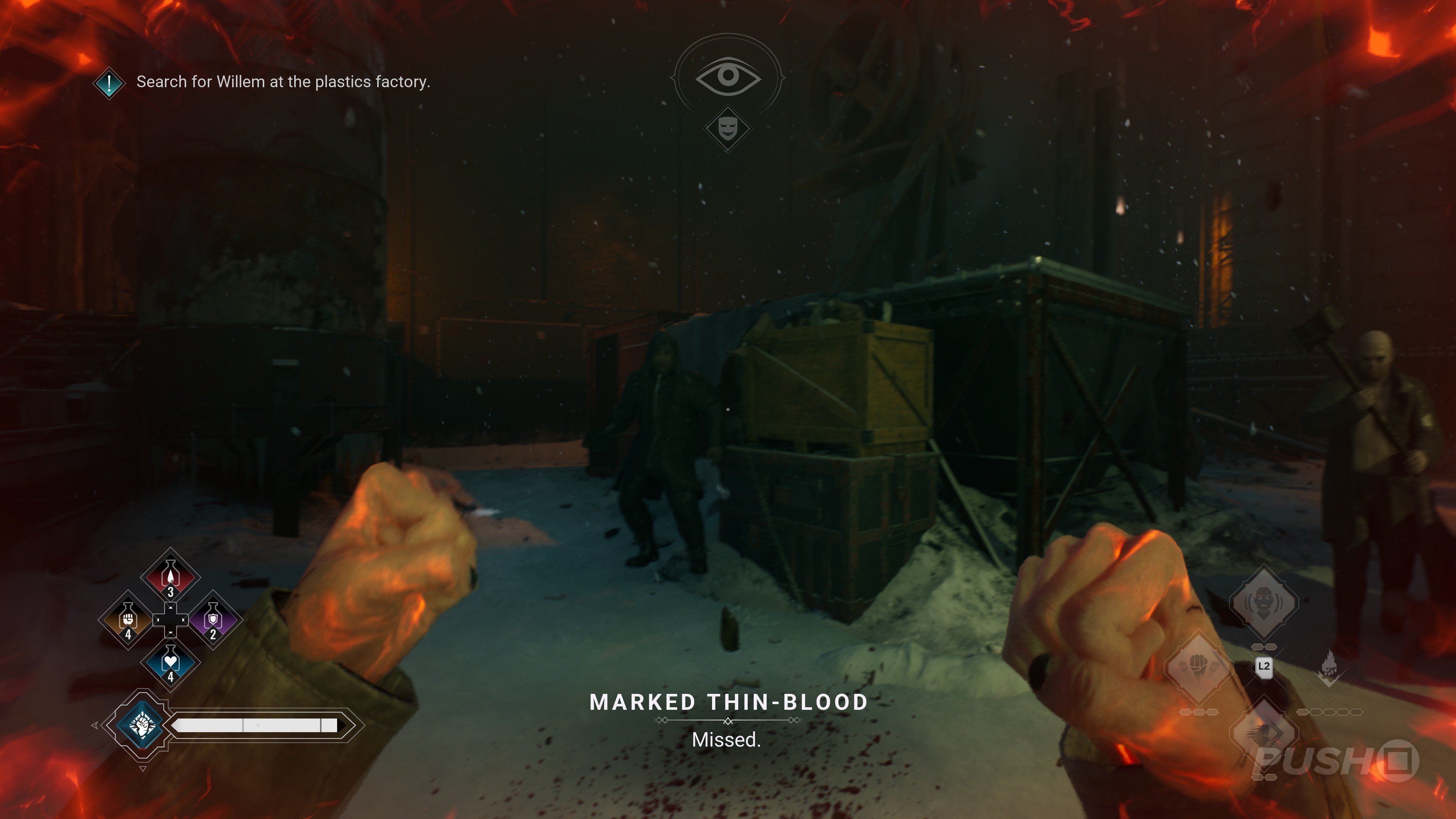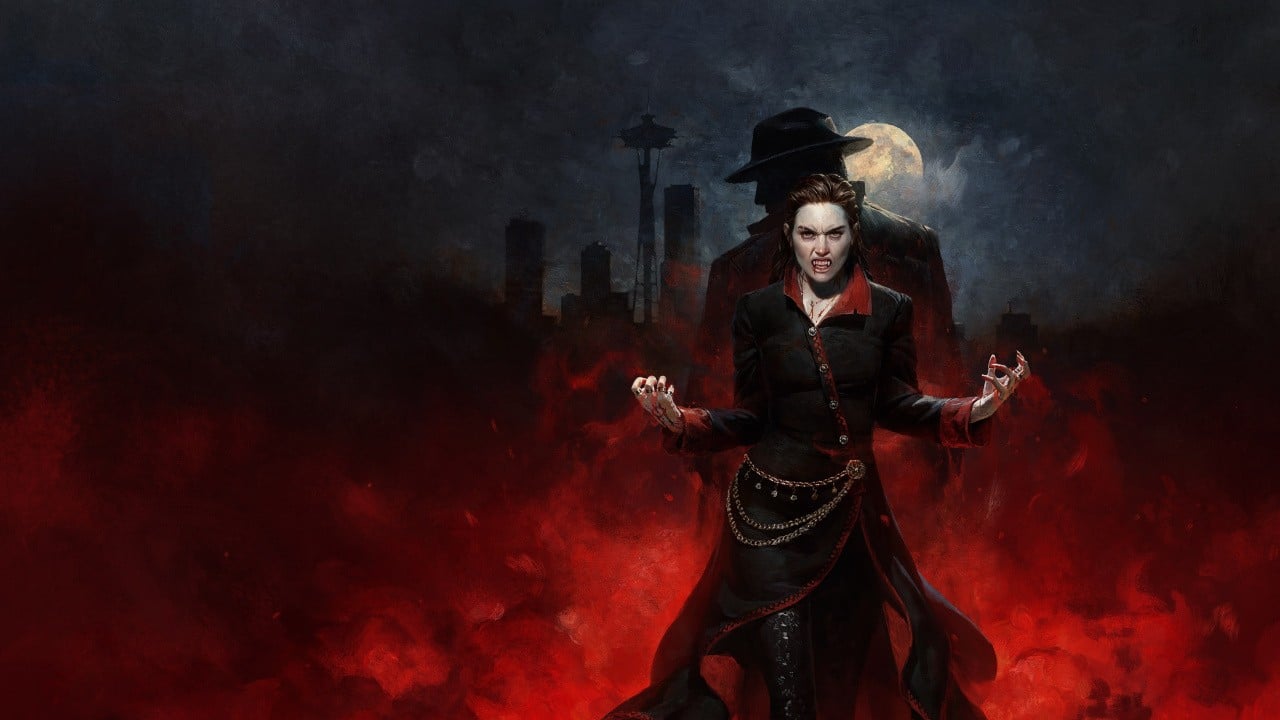
Over its first couple of hours, Vampire: The Masquerade – Bloodlines 2 does its best to convince you that it might actually be pretty good. Against all odds, this deeply troubled project could rise above expectations.
But as the game’s structure becomes more and more apparent, the real Bloodlines 2 shapes up to be a bit of a disaster. This sequel to Troika Games’ 2004 cult classic very quickly collapses in on itself, despite some strong story moments and a smattering of cool ideas.
On various levels, Bloodlines 2 does understand what made its predecessor so endearing. That was an undeniably flawed release as well, but it lives on as an enchanting little time capsule — an incredibly camp but richly atmospheric take on early 2000s subculture.
Even though it’s set in 2024, the sequel does manage to tap into that same enjoyably schlocky tone — at least every now and then. There are genuine moments of intrigue, be it through the game’s lore-tinged dialogue or twisty storytelling.
If you’re into that side of Vampire: The Masquerade — digging into the unwritten rules of undead society — then you’ll probably like a lot of what Bloodlines 2 cooks up between its cast of (mostly) entertaining characters. There’s a clear appreciation for the property’s underlying lore here.
However, unlike the first game, Bloodlines 2 is severely stripped back as an RPG — to the point where we’d hesitate to even call it one. Developer The Chinese Room has tried to lower expectations in this regard, suggesting that it’s more of a ‘streamlined’ experience, but that’s putting it lightly.
Yes, you’re handed plenty of dialogue options, and the title specifically tells you that your decisions will have an impact — but ultimately, only two or three key choices actually matter across the game’s 15-hour runtime.
And even then, the ramifications are often questionable. Characters will tell you that your actions have resulted in something, but you’ll rarely, if ever, get to see these consequences take shape. Most of the time, your chosen dialogue will simply result in flavoured responses from the person you’re talking to — and then it’ll all be forgotten the next time you meet.
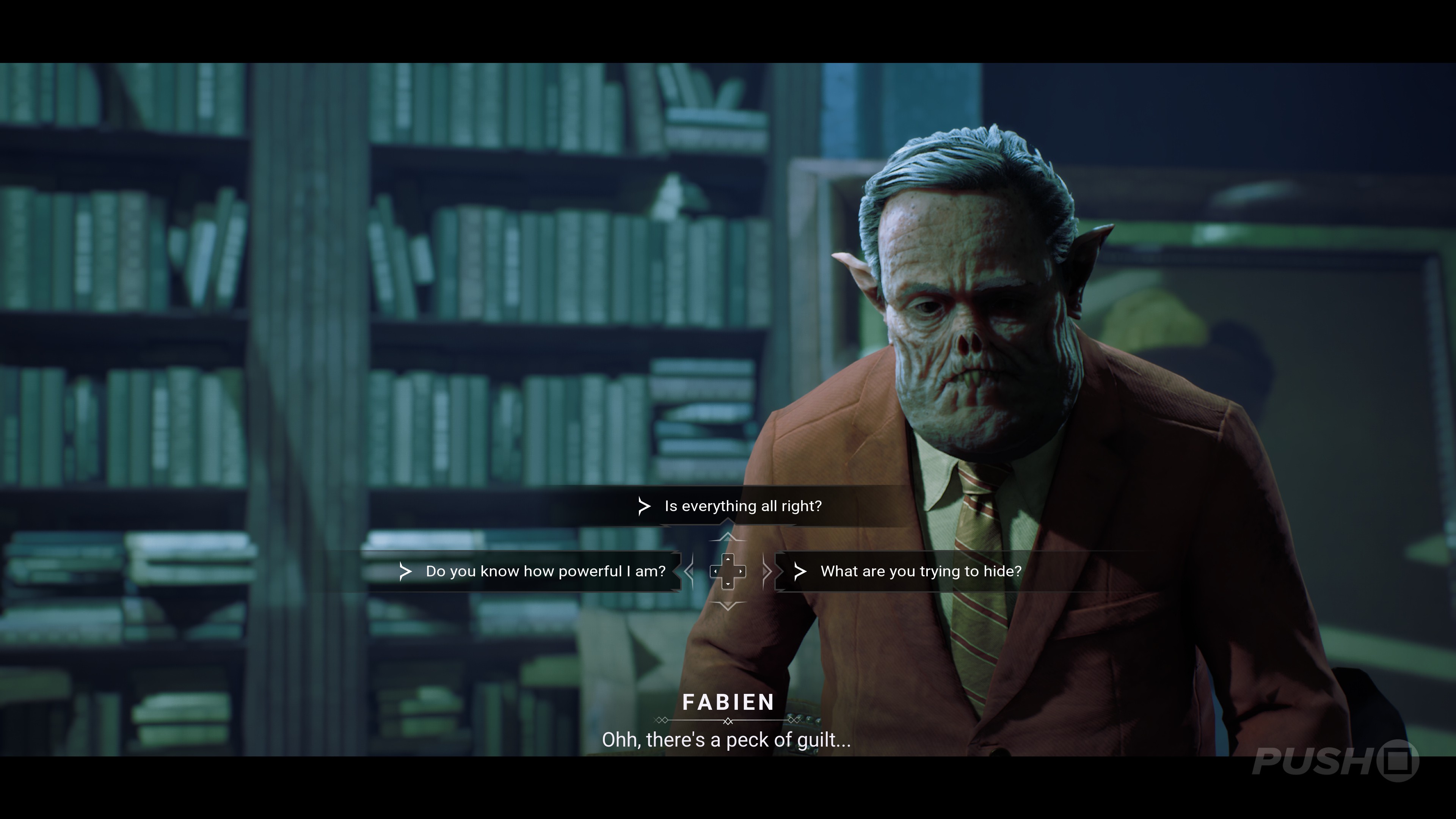
What little role-playing there is also suffers from Fallout 4 syndrome. That is, you’ll be presented with four dialogue options, but they all just say the same thing with a slightly different attitude. It’s an illusion of choice through and through.
And that’s really our main issue with the game’s approach; it goes out of its way to make you think that you’re making a difference. For example, Telltale-esque relationship updates appear at the top right of the screen when selecting an interaction, but again, they equate to very, very little.
Sadly, this is also the case when it comes to choosing a clan and background for your character. You play as a largely preestablished lead — an elder vampire called Phyre — and while there’s nothing necessarily wrong with that, your wiggle room is noticeably limited.
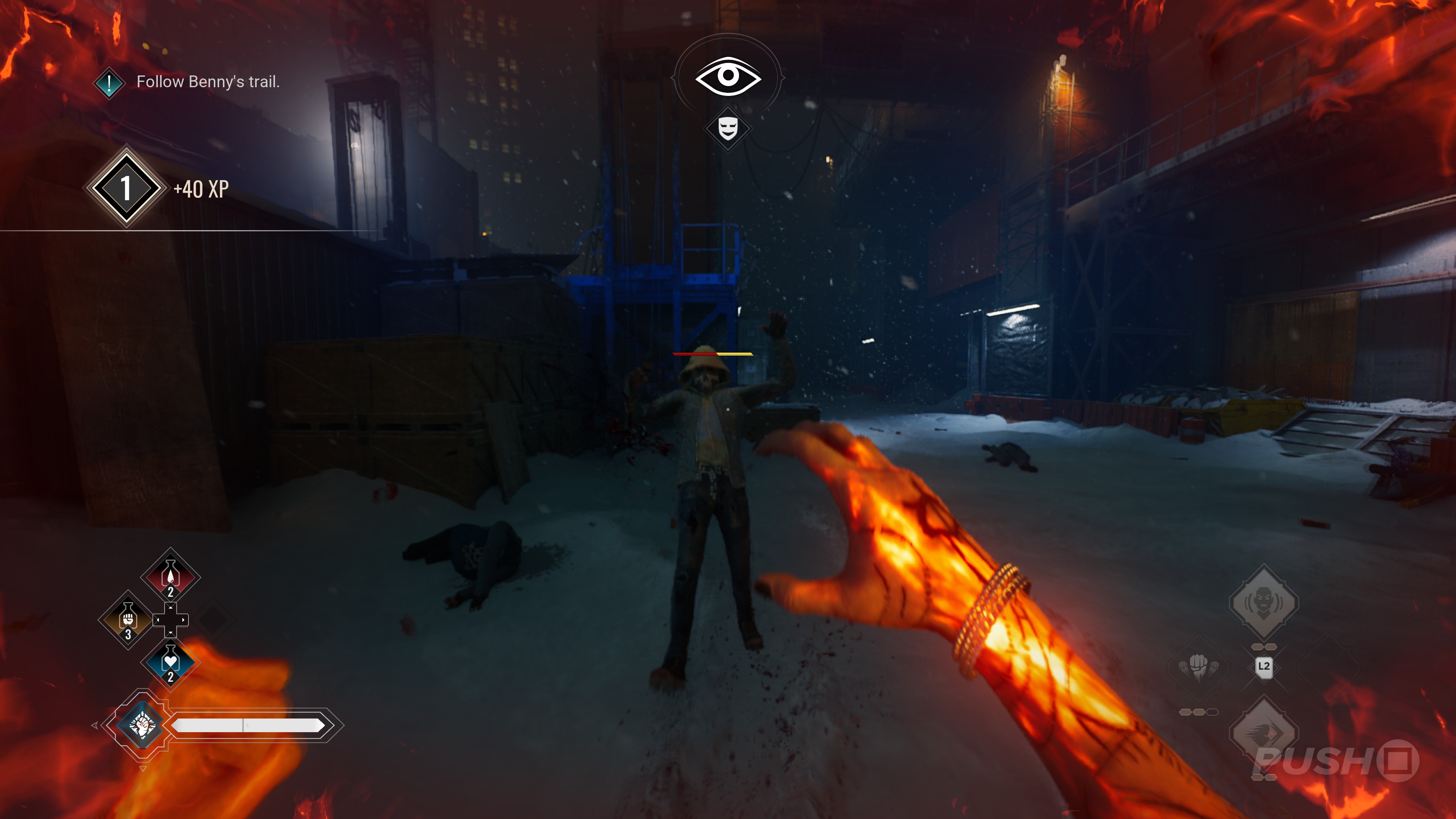
Clan selection is arguably the biggest disappointment. Bloodlines 2 has a heavy emphasis on action combat (more on that later) and your choice of clan determines how you fight. Except you’ll have unlocked all of your clan’s abilities by the time you reach the second chapter of the story, just two or three hours in.
The skill trees — they’re more like skill lines — are woefully undercooked, resulting in what feels like a near total lack of character progression for most of the game.
Similarly, you get to briefly talk about Phyre’s past near the beginning of the narrative. It’s an admittedly interesting moment, as the centuries-spanning elder reminisces about whatever background you choose — but then it’s basically never brought up again beyond a couple of throwaway mentions.
As we’ve already covered, Bloodlines 2 has quite a lot of these sparks where it shows genuine promise, but there’s one particular part of the experience that absolutely cripples everything around it: Fabien’s flashbacks.
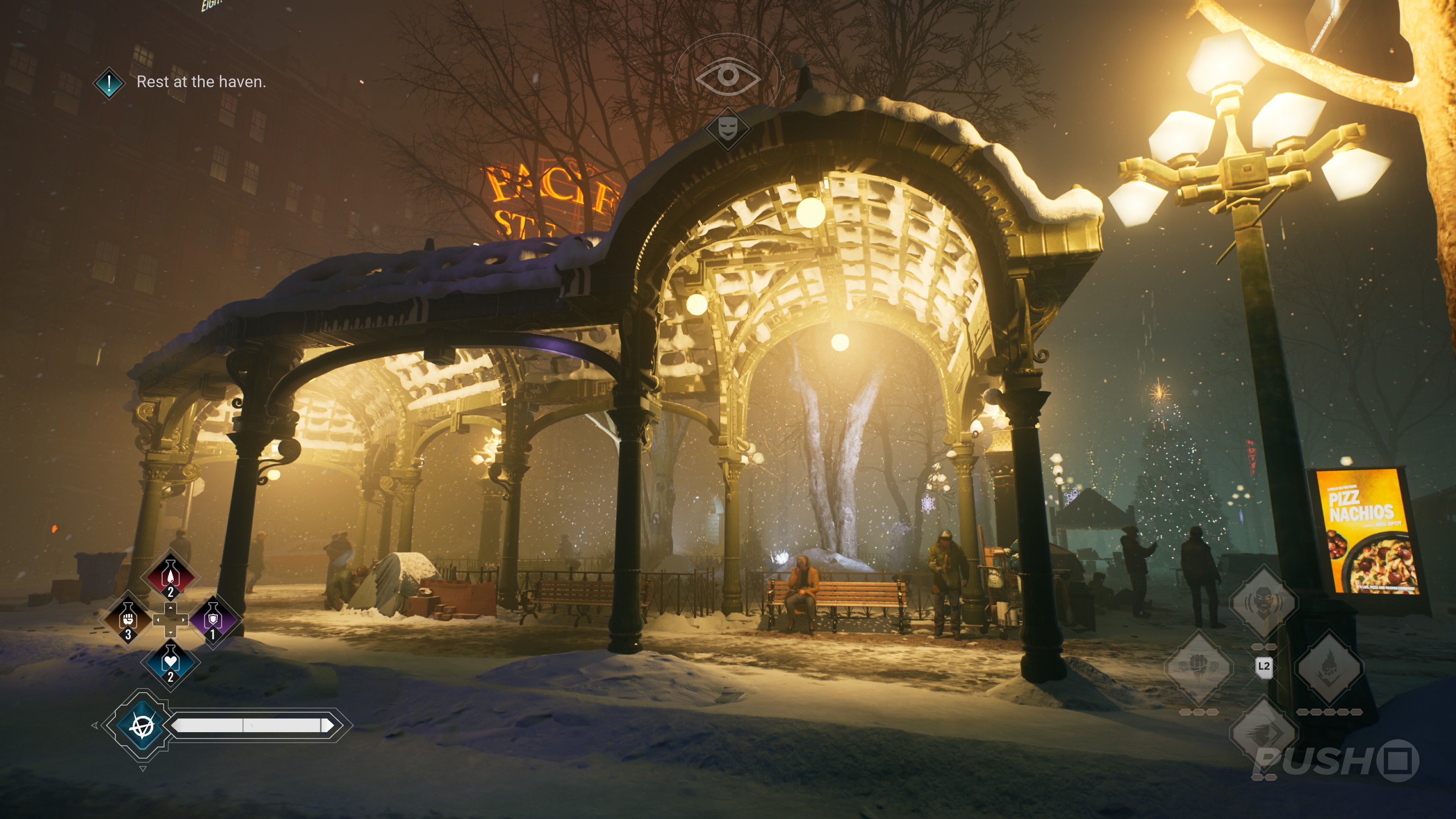
Fabien happens to be a 1920s-styled detective whose psyche is somehow trapped inside of Phyre’s head. Even as a faceless voice, there’s a quirky charm to his character and his presence is undeniably intriguing. As you’d expect, he’s key to the overarching plot; there’s a mystery at the heart of Phyre’s sudden awakening, and Fabien’s profession can help you crack the case.
Having trawled the streets of Seattle for over 100 years before being jailed in another vampire’s brain, Fabien offers insight and important world building throughout your adventure. The problem, as alluded, is that much of this information is relayed through sickeningly lengthy and criminally boring flashback sequences.
At the end of every chapter, Phyre returns home to rest, and Fabien dreams of the past. You’re then plopped into the detective’s shoes as he trudges the same sandbox Seattle that Phyre does — an already barren collection of streets, alleys, and rooftops that are an outright chore to navigate because Fabien lacks Phyre’s traversal abilities.
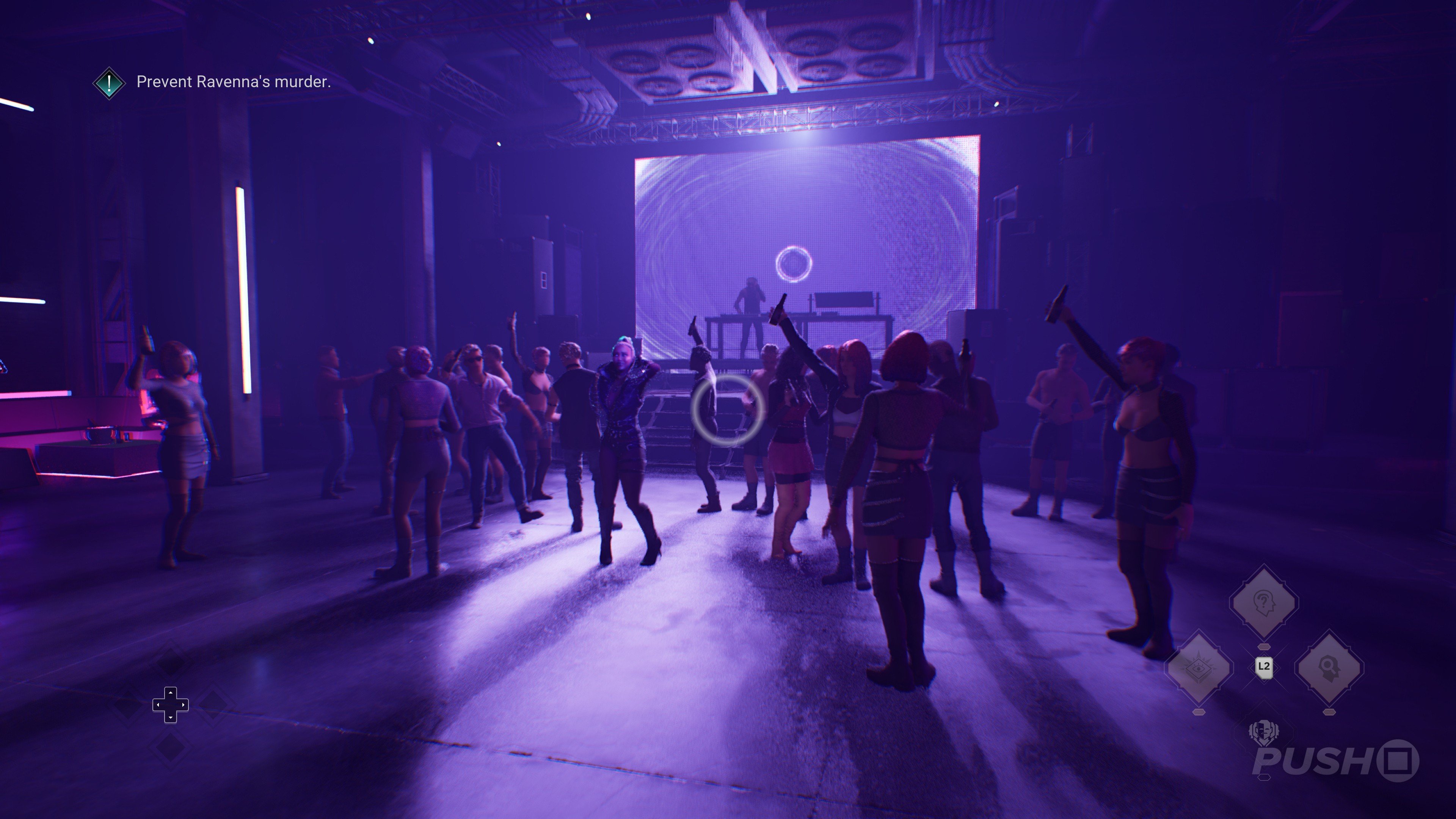
So, as Fabien, you walk between objective markers. Over and over and over again. When you finally get to one, you talk with a character, through dialogue options that are somehow even more pointless than the ones found in the present.
You’re supposed to be playing detective here, but uncovering leads literally boils down to picking every dialogue choice and using one of Fabien’s four vampiric powers to make people or objects spill the beans.
There is zero player agency during these flashbacks. It’s not even an illusion of choice — it’s an exercise in wasting the player’s time. Fabien should be an empathetic ally, but because of these tediously padded sequences, you’ll probably end up hating his wisecracking guts.
The flashbacks kill the game’s momentum time and time again — along with any kind of replay value that Bloodlines 2 could possibly offer. A truly baffling misfire in the storytelling department.
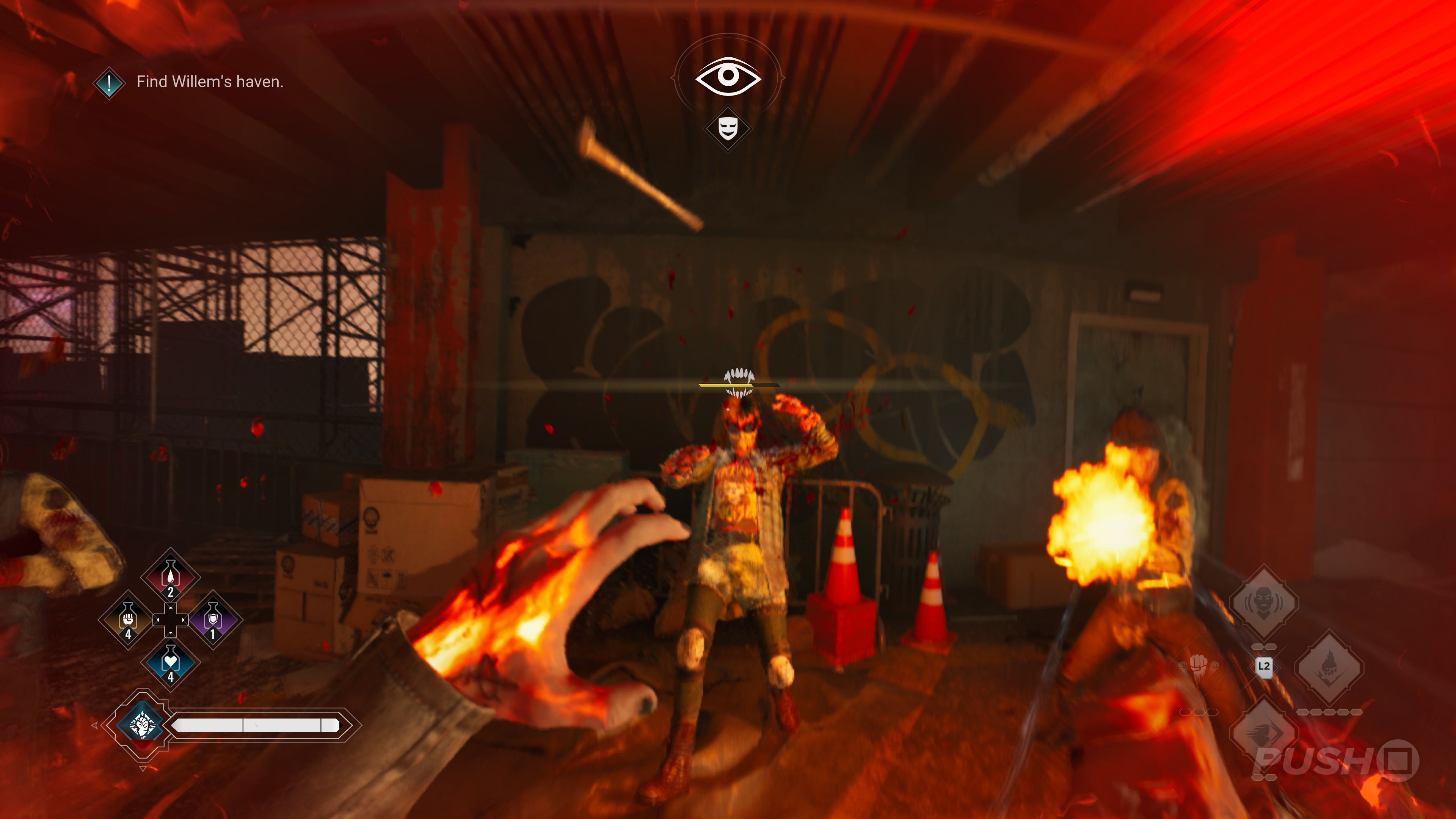
So what about the combat? Action could be one of the title’s only saving graces, but all too predictably, it’s hamstrung by a number of disappointing design decisions.
Fundamentally, it’s a mixture of light and heavy attacks, topped off with a zippy dodge mechanic. There’s actually some degree of depth to the melee system; dodging in different directions lets you perform unique follow-up attacks, each with their own uses.
The Chinese Room quite obviously spent a good amount of time on this stuff, and the basics are satisfyingly punchy. Plus, your clan abilities — as stunted as they may be — can give encounters a real kick. Some of them feel great to pull off, like the Brujah clan’s Fist of the North Star-style punch combo.
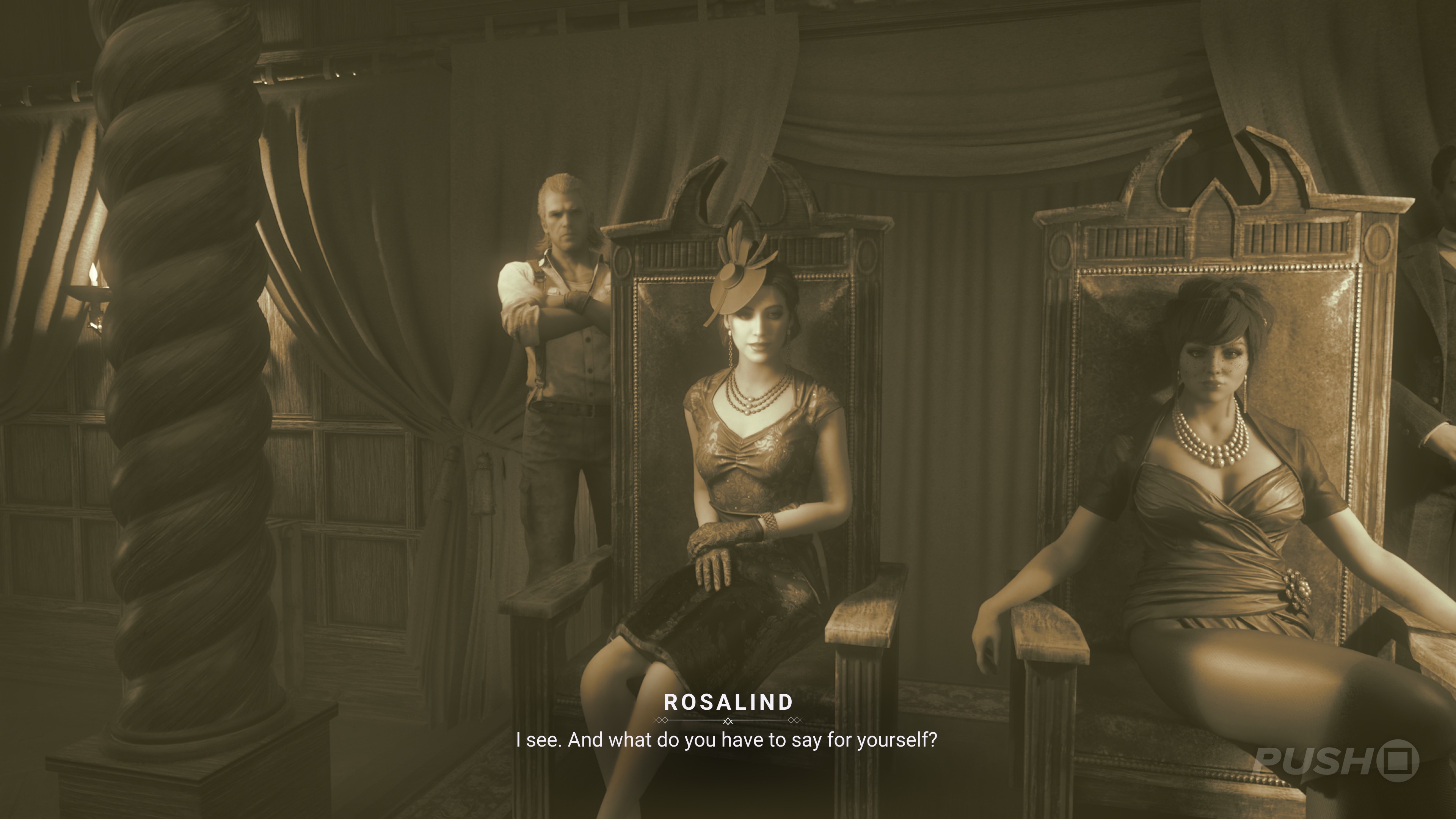
But some enemy types are just a nightmare to deal with, dragging numerous encounters down into frustrating territory. Guns are arguably the biggest issue, with shotgun and SMG-wielding foes locking you down with little to no warning, and making the screen shake like Phyre’s eyes are about to explode.
Projectiles may not be too troublesome if you’re playing as a stealthier Phyre, but stealth is so often tossed aside anyway, in favour of forced, head-on clashes. If your clan abilities are focused on picking opponents off from the shadows, good luck going up against melee-only bosses and their endless supply of lackies.
Bad combat balancing is one thing, but it gets even worse when you throw input-eating frame rate drops into the equation. Yes, Bloodlines 2 runs so badly on PS5 — and PS5 Pro — that it actively impedes the action.
And we’re not just talking about little dips here and there — the game’s packed with single-digit frame rate tanks. Stutters are shockingly abundant regardless of how hectic things are; even just turning around in an enclosed space can hitch the game.
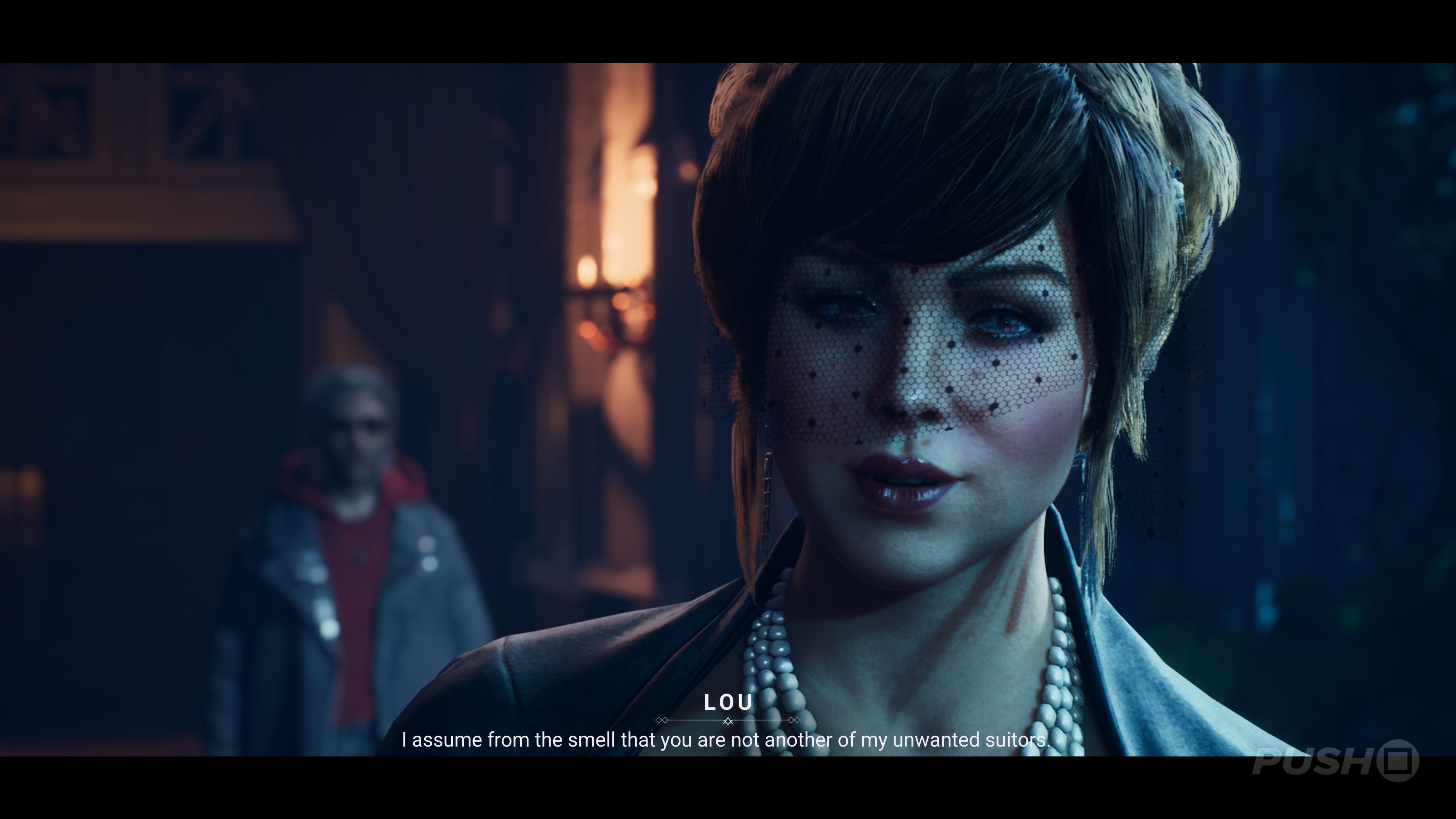
This is the kind of technical performance that beggars belief. When it comes to full price releases, we haven’t seen anything this dire since the days of Bethesda’s open world PS3 excursions — and they were far more ambitious games than Bloodlines 2.